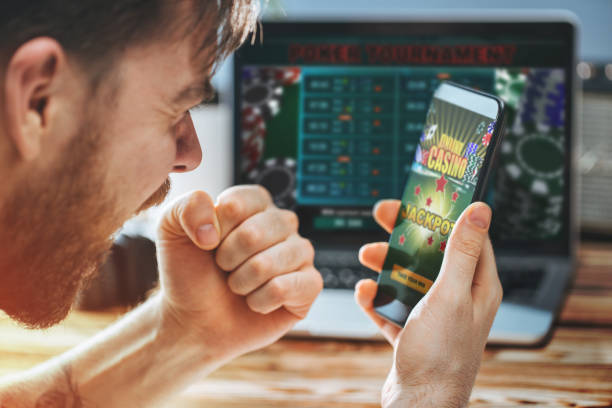
Sporting And Impression: Exploring How Appreciation Attitudes Toward Luck, Chance, And Risk Shape Gambling
brgame is a universal human natural process, elaborately tied to our understanding of luck, , and risk. Across cultures, the way populate wage with gambling and risk-taking reflects deeper social group beliefs about fate, fortune, and control. These cultural attitudes not only influence how gaming is experienced but also shape its sociable toleration and regulation. Understanding these perspectives provides insight into why some societies squeeze dissipated as a form of amusement or spiritual practise, while others view it with suspiciousness or moral .
Luck and Fate: The Spiritual Dimension of Gambling
In many cultures, luck is not a mere applied mathematics probability but a Negro spiritual wedge or natural object balance. For example, East Asian societies such as China and Japan have long intertwined gambling with beliefs in fate, luck, and fortune. In Chinese culture, concepts like feng shui and numerology influence choices in sporting and drawing games. Lucky numbers like 8, associated with prosperity and fortunate dates are deliberately sought-after to sway the odds in one s favor. Gambling here is often seen as a test or expression of one s fortune, which is believed to be formed through rituals, charms, and prescribed intellection.
Similarly, autochthonic communities in parts of Africa and South America incorporate gaming into practice ceremonies. These activities are not just games but acts of prophecy or communication with ancestors and hard liquor. Success in gambling is attributed to blessings or curses, reinforcing the belief that unseen forces rule and resultant.
Western Rationalism and the Calculus of Risk
In contrast, many Western societies, especially since the Enlightenment, have emphasized reason, probability theory, and applied mathematics analysis in sympathy play. The taste posture toward chance here is more mechanistic seen as quantitative and subject to deliberation. This has led to the development of sophisticated indulgent markets, casinos, and sports indulgent industries that rely to a great extent on odds-making, risk direction, and unquestionable models.
Yet, despite this rational number framework, Western gamblers often cling to superstitions like favourable rituals, numbers game, or behaviors reflecting a deep-seated tension between logical system and the man want to maintain control over ambivalent outcomes. This paradox highlights how perceptiveness narratives about luck can coexist with scientific logical thinking, moving how individuals approach betting.
Risk Tolerance and Social Norms
Attitudes toward risk-taking in gaming also vary widely across cultures and social contexts. In some societies, risk-taking is celebrated as a sign of fearlessness, entrepreneurial spirit, or individualism. The United States, for example, has historically viewed gambling as part of the American Dream story, where risk can lead to explosive wealth and sociable mobility. Casinos and lotteries are widespread and socially uncontroversial, often marketed as opportunities to change one s luck.
Conversely, in cultures with a fresh emphasis on social cohesion, caution, and long-term stability such as many Scandinavian countries gaming tends to be more regulated and less glamorized. The collective welfare often outweighs person risk-taking, leadership to politics-controlled lotteries and stern rules to minimise problem play.
Religious Influences on Gambling Attitudes
Religious doctrines also play a considerable role in formation appreciation attitudes toward gaming. In Islam, gaming is in general verboten(haram) because it is seen as exploiting rather than exertion, promoting avarice and mixer harm. This religious view translates into stern laws against gambling in many Muslim-majority countries.
Christian denominations vary in their posture; some religious text groups admonish gambling on moral yard, while others may brook or even squeeze it in moderation. Hinduism s different teachings also submit complex attitudes, with some sects wake gaming as a vice, while others consider it an satisfactory leisure time natural action if done responsibly.
The Intersection of Belief, Behavior, and Policy
The perceptiveness tapestry of dissipated and notion influences populace policy and somebody demeanour likewise. Countries that comprehend play as a moral or mixer risk impose bans or heavily restrictions, while others upgrade gambling as a regulated industry conducive to the economy. Additionally, understanding discernment attitudes toward luck and risk can ameliorate causative gambling programs and mental health interventions.
Conclusion
Betting and gambling serve as a mirror reflecting how cultures interpret and cope with the uncertainties of life. Whether viewed as a spiritual visitation, a premeditated risk, or a lesson stake, the practices around play reveal much about collective beliefs in luck, chance, and homo agency. By appreciating these different perspectives, we gain a richer sympathy of both the allure and the complexities of gambling world-wide.