
Plid Treatment In Bangladesh A Comprehensive Guide
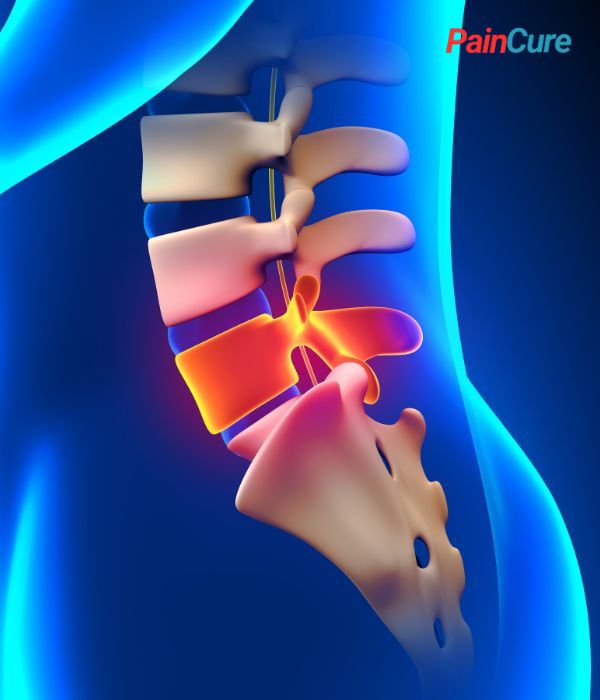
Prolapsed Lumbar Intervertebral Disc(PLID) usually named a slipped, prolapsed, or herniated disc is one of the most buy at causes of lower-back pain and sciatica in adults. In Bangladesh, ascension sedentary lifestyles, activity stress, and an aging population mean many populate seek care for PLID every year. This clause explains what PLID is, how it s diagnosed, the treatment options available in Bangladesh(from conservative care to modern minimally offensive operation), what results you can , and how to pick out the right clinic or surgeon.
What is PLID?
An intervertebral disc sits between each pair of vertebrae and acts as a traumatize absorber. PLID occurs when the inner, gel-like nucleus pushes out through a tear in the outer ring. That descensus can devil or constrict nigh spinal anesthesia steel roots, causation vivid low-back pain, leg pain(sciatica), apathy, or weakness. Diagnosis is made using a combination of clinical chronicle, neurologic examination and tomography(most commonly MRI).
Typical symptoms and when to seek care
Common symptoms let in:
Sharp or electrocution low-back pain.
Shooting pain down one or both legs(sciatica).
Numbness, tingling, or weakness in the leg or foot.
Difficulty standing, walk or playacting daily activities.
Red-flag signs requiring urgent judgment admit imperfect leg impuissance, loss of intestine bladder control, or charge anesthesia(numbness in the inguen area). If any of these appear, immediate infirmary evaluation is necessary.
How PLID is diagnose
d
A good diagnosis starts with a troubled nonsubjective exam correlating symptoms with medical specialty deficits(reflex, sense, world power). MRI is the gold standard to confirm the tear down and rigorousness of disc descensus and steel , and to steer handling planning. Many spine teams in Bangladesh base decisions on MRI plus a clinician s judgement about symptom duration and stiffnes. PJMD
Treatment approaches general principles
Treatment for PLID follows a stepped approach tailored to symptom hardness, tomography findings, and the affected role s usefulness needs.
1) Conservative(first-line) therapy
Most patients meliorate with non-surgical care over weeks to months. Typical conservative measures include:
Short courses of analgesics and non-steroidal anti-inflammatory drugs(NSAIDs).
Muscle relaxants or short-circuit-term oral steroids in hand-picked cases.
Structured physiotherapy focusing on pain control, motor verify exercises, pose and ranked take back to activity.
Epidural steroid hormone injections for unrelenting radicular pain insusceptible to oral medicament(as an intermediate pick).
In Bangladesh, multidisciplinary physiatrics clinics and infirmary-based rehab units deliver much of this care; studies from the region show good outcomes from physiotherapist-led conservativist programs when patients are elect with kid gloves. PMC 1
2) Interventional PLID Treatment in Bangladesh procedures
For patients with severe radicular pain that does not meliorate, see-guided epidural anaesthesia steroid hormone injections or exclusive nerve root blocks can cater purposeful ministration and may put over or keep off surgery. Availability varies across centers, and results bet on the cause and duration of symptoms.
3) Surgical treatment
Surgery is advised when there is:
Persistent, disqualifying pain despite tolerable conservativist care(usually 6 12 weeks), or
Progressive neurologic shortfall, or
Cauda equina syndrome(an emergency).
Common operative options offered in Bangladesh include:
Microscopic open lumbar microdiscectomy(MsD): the monetary standard operation to transfer the offensive disc fragmentis and decompress the nerve.
Percutaneous Endoscopic Lumbar Discectomy(PELD) or other scrutiny minimally incursive techniques: littler incisions, less tissue disruption, shorter infirmary stay and quicker recovery for appropriately chosen patients.
Outcomes and rates for minimally offensive techniques and open microdiscectomy have been premeditated in Bangladesh and the region; recent topical anesthetic audits and journal articles compare PELD and microdiscectomy outcomes to help surgeons take the best go about for each case. Bangla Jol 1
The handling landscape in Bangladesh
Bangladesh has a ontogeny network of sticker specialists, neurosurgeons, orthopedic spikele surgeons, pain clinics, and physiatrics centres mostly undiluted in Dhaka and other John Major cities. Several private and populace hospitals now volunteer MRI services, sticker clinics, minimally incursive sticker surgery(including examination discectomy), and physiotherapy renewal programs. Patients often combine care paths(initial physiotherapy and medicines; if necessary, referral to a pricker sawbones). When considering PLID Treatment in Bangladesh it helps to control:
The surgeon s see in the elect subprogram(especially for examination techniques).
Availability of MRI and perioperative intensifier care.
Outcomes data and rates according by the center. Sasthya Seba 2bsoh.com.bd 2
Outcomes and expectations
Conservative care: Many patients see essential improvement over 6 12 weeks with physical therapy and medications. A structured, multidisciplinary physiotherapy go about in Bangladesh has shown formal outcomes in publicised studies. PMC
Surgery: When indicated, microdiscectomy and modern minimally invading procedures have high rates of pain ministration and functional melioration. Local studies report good outcomes for discectomy in district and tertiary hospitals, though as anywhere, outcomes depend on affected role survival of the fittest, operating surgeon experience, and post-op renewal. fortunejournals.com 1
Choosing where to get handling in Bangladesh
Practical tips:
Start with a thorough objective assessment by a medic or thorn specializer and an MRI when indicated.
For conservative care, look for clinics with experient physiotherapists and a structured rehab programme.
For surgical operation, consider hospitals and surgeons who write outcomes or have established training in pricker surgical operation and minimally incursive techniques.
Ask about post-op rehabilitation services; retrieval and bring back to work depend heavily on good rehab support.
If funds are a John Roy Major come to, public tertiary hospitals cater care, while private centres may volunteer faster get at and advanced minimally invading options.
Prevention and long-term self-care
Preventing recurrence involves:
Regular core-strengthening and tractability exercises formal by physiotherapists.
Maintaining a sound weight and avoiding elongated atmospherics postures.
Ergonomic adjustments at work(lifting mechanics, chair subscribe).
Smoking surcease smoke is connected to poorer disc wellness.
Final thoughts
PLID is treatable in Bangladesh with a range of operational options from conservative physiatrics and pain direction to modern font minimally invading and open preoperative procedures. Early, testify-based assessment and a step by step treatment plan tailored to the affected role s symptoms and goals give the best chance of recovery. If you or someone you know has intense or imperfect tense medicine symptoms, seek pressing specializer valuation. For continual but non-emergent symptoms, start with radio-controlled conservativist care(physiotherapy, medications, natural process modification) and refer a prickle surgeon if improvement stable.