
Why Civil Surveyors Are Vital for Construction Projects?
Construction projects, whether residential, commercial, or industrial, are highly complex endeavors. Each phase requires meticulous planning, precise execution, and strict adherence to design specifications. One key professional whose expertise can make or break a construction project is the civil surveyor.
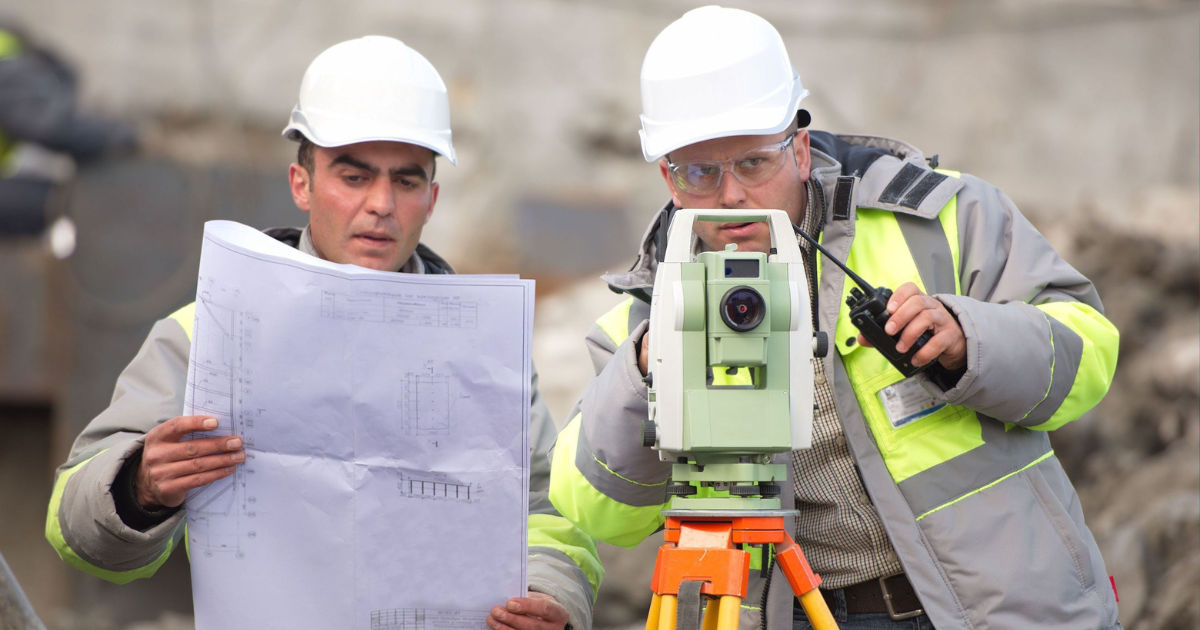
Understanding their role is essential for anyone considering a career in construction or planning a large-scale project. If you are considering enrolling in a Surveyor Course in Rawalpindi, this guide will help you understand why civil surveyors are vital for construction projects and how their work impacts the overall success of construction activities.
What Is a Civil Surveyor?
A civil surveyor is a professional responsible for measuring and mapping land. Their role extends beyond simple measurements; they provide crucial data that informs the planning, design, and execution of construction projects. Civil surveyors use advanced tools, such as total stations, GPS devices, and drones, to collect accurate topographical and geographical data. This data ensures that construction projects are built correctly, safely, and efficiently.
Civil surveyors can work in various sectors, including road construction, building developments, urban planning, and infrastructure projects. Their work is a foundation for engineers, architects, and construction managers to make informed decisions. Without civil surveyors, construction projects could face delays, cost overruns, or even safety hazards.
The Core Responsibilities of Civil Surveyors
Civil surveyors have a range of responsibilities that are critical to the construction process:
-
Land Measurement and Mapping
Accurate measurement of land is the first step in any construction project. Surveyors map the boundaries, elevation, and features of a site to create a reliable base for planning and design. -
Site Assessment and Analysis
Surveyors evaluate the land for stability, slope, and potential challenges. This assessment helps engineers design foundations and structures that are safe and durable. -
Construction Layouts
They provide precise layouts that guide construction workers on where to build roads, buildings, and other structures. A minor error in layout can lead to structural issues or project delays. -
Monitoring Construction Progress
Surveyors monitor the construction process to ensure that work aligns with the approved plans. They check for deviations and provide corrective measures if necessary. -
Legal and Regulatory Compliance
Civil surveyors help ensure that construction projects comply with zoning laws, property boundaries, and environmental regulations. Their input protects developers from potential legal disputes.
Importance of Civil Surveyors in Construction Projects
The role of civil surveyors cannot be overstated. Here’s why they are crucial to every construction project:
Ensuring Accuracy and Precision
Precision is key in construction. Even a slight miscalculation in measurements can lead to structural problems. Civil surveyors ensure that every measurement is accurate, reducing the risk of errors during construction. Their expertise prevents costly mistakes and ensures the project is built as intended.
Enhancing Safety
Safety is a top priority in construction. Civil surveyors identify potential risks, such as uneven terrain or unstable soil, that could compromise the safety of a project. By providing accurate data, surveyors help engineers design safe and stable structures.
Optimizing Project Costs
Budget overruns are a common problem in construction projects. Civil surveyors help optimize costs by providing precise data that prevents unnecessary excavation, material wastage, and design modifications. A project planned with accurate surveys is far more cost-efficient.
Supporting Project Planning and Design
Surveyors provide vital information that guides architects and engineers during the planning and design phase. They offer insights into land features, drainage patterns, and topography, which are crucial for effective project planning.
Facilitating Legal Compliance
Construction projects must comply with local regulations, building codes, and property laws. Surveyors ensure that the project adheres to these regulations, protecting the developers from legal disputes and potential fines.
Tools and Technology Used by Civil Surveyors
Civil surveyors use a wide range of tools and technologies to carry out their work efficiently. Some of the commonly used tools include:
-
Total Station – Combines electronic distance measurement and angle measurement for accurate surveying.
-
GPS Devices – Provide precise location data for mapping and layout purposes.
-
Drones – Used for aerial surveys, offering a comprehensive view of the land.
-
AutoCAD Software – For creating detailed maps, plans, and construction layouts.
-
Leveling Instruments – To measure height differences and ensure proper alignment of structures.
The use of modern technology has made civil surveying more accurate, faster, and reliable. Professionals enrolled in a Surveyor Course in Rawalpindi learn how to operate these tools effectively, preparing them for real-world construction challenges.
Different Types of Civil Surveys
Civil surveyors perform various types of surveys depending on the project requirements:
Topographic Survey
This survey maps the physical features of the land, such as hills, valleys, rivers, and buildings. Topographic surveys help engineers and architects understand the site’s characteristics for effective design.
Boundary Survey
Boundary surveys establish legal property lines, preventing disputes between neighboring landowners. Accurate boundary surveys are essential for project approval and legal compliance.
Construction Survey
Construction surveys provide layout information for roads, buildings, and other structures. They ensure that the construction is executed according to the design plans.
Geodetic Survey
Geodetic surveys account for the curvature of the Earth and are used for large-scale projects like highways, bridges, and dams. These surveys provide highly accurate measurements over long distances.
Hydrographic Survey
Hydrographic surveys are conducted for projects involving water bodies, such as dams, canals, and ports. They help in understanding water depths, currents, and underwater topography.
The Link Between Civil Surveyors and Project Success
Civil surveyors play a critical role in ensuring the success of construction projects. Their work impacts every stage of the project, from planning to completion. Accurate surveys lead to well-planned designs, safer structures, and cost-efficient execution. Conversely, errors in surveying can lead to structural failures, legal disputes, and financial losses.
A well-trained civil surveyor is an invaluable asset for developers, engineers, and contractors. By enrolling in a Surveyor Course in Rawalpindi, aspiring surveyors gain the knowledge and practical skills necessary to handle complex construction projects effectively.
Career Opportunities for Civil Surveyors
Civil surveying offers diverse career paths. Some of the common roles include:
-
Construction Surveyor – Focuses on surveying construction sites for building layouts.
-
Geospatial Analyst – Uses GIS and mapping technology for urban planning and infrastructure development.
-
Hydrographic Surveyor – Specializes in surveying water bodies for dams, ports, and canals.
-
Land Surveyor – Provides legal and boundary surveys for real estate and land development.
-
Survey Manager – Oversees surveying teams and ensures project compliance and accuracy.
The demand for skilled civil surveyors continues to grow as urban development, infrastructure projects, and industrial expansions increase globally.
Benefits of Pursuing a Surveyor Course in Rawalpindi
Enrolling in a Surveyor Course in Rawalpindi equips students with practical skills and theoretical knowledge essential for modern surveying. Benefits include:
-
Hands-on experience with advanced surveying equipment.
-
Learning modern techniques for accurate mapping and measurements.
-
Understanding legal and regulatory frameworks related to land and construction.
-
Career placement opportunities in construction companies, government agencies, and urban development projects.
-
Exposure to real-world projects, preparing students for challenges in large-scale construction activities.
Challenges Faced by Civil Surveyors
While civil surveying is a rewarding career, it comes with challenges:
-
Weather Conditions – Surveys often require fieldwork in extreme weather.
-
Complex Terrain – Difficult landscapes can pose measurement challenges.
-
Technological Updates – Surveyors must continually update their skills to operate new tools and software.
-
Accuracy Pressure – Even minor errors can have major consequences, adding pressure to surveyors.
Despite these challenges, civil surveyors play a vital role in ensuring the success and safety of construction projects.
Real-World Examples of Civil Surveying Impact
Several large infrastructure projects highlight the importance of civil surveyors:
-
Highway Construction – Surveyors provide accurate measurements that guide the design and alignment of roads.
-
Bridge Projects – Surveys ensure structural stability and proper load distribution.
-
Urban Development – Surveyors help in planning city layouts, drainage systems, and residential complexes.
These examples demonstrate how surveyors contribute to the overall efficiency, safety, and sustainability of construction projects.
Future of Civil Surveying
The field of civil surveying is evolving rapidly with technological advancements:
-
Drones and UAVs – Enable faster and more detailed aerial surveys.
-
3D Mapping and Modeling – Improves planning and visualization of projects.
-
GIS Integration – Enhances data analysis and decision-making for urban planning.
-
Automation and AI – Reduces human error and increases survey efficiency.
Aspiring surveyors who enroll in a Surveyor Course in Rawalpindi will gain exposure to these modern techniques, ensuring their skills remain relevant in the future.
Conclusion
Civil surveyors are indispensable for construction projects. Their role goes beyond measuring land; they provide the backbone for accurate planning, safe construction, and cost-effective project execution. From mapping terrains to monitoring construction progress, their expertise ensures projects are completed efficiently, safely, and within budget.
For anyone looking to build a career in construction or surveying, enrolling in a Surveyor Course in Rawalpindi offers practical knowledge and hands-on experience necessary for this critical profession. The future of construction depends on the skills of civil surveyors, making them not just important, but essential to every successful project.
By understanding the significance of civil surveyors, developers, engineers, and students can appreciate the vital role these professionals play in shaping the built environment. Their work safeguards investments, ensures safety, and provides a solid foundation for the structures that define our communities.