
How to Prune Trees for Better Sunlight and Airflow?
Pruning trees is one of the most important gardening tasks for maintaining healthy, vibrant, and productive trees. Proper pruning not only enhances the aesthetic appeal of your garden but also improves the overall health of the tree. By removing dead or overcrowded branches, you allow more sunlight to penetrate the canopy and enhance airflow, which helps prevent disease and promotes strong growth.
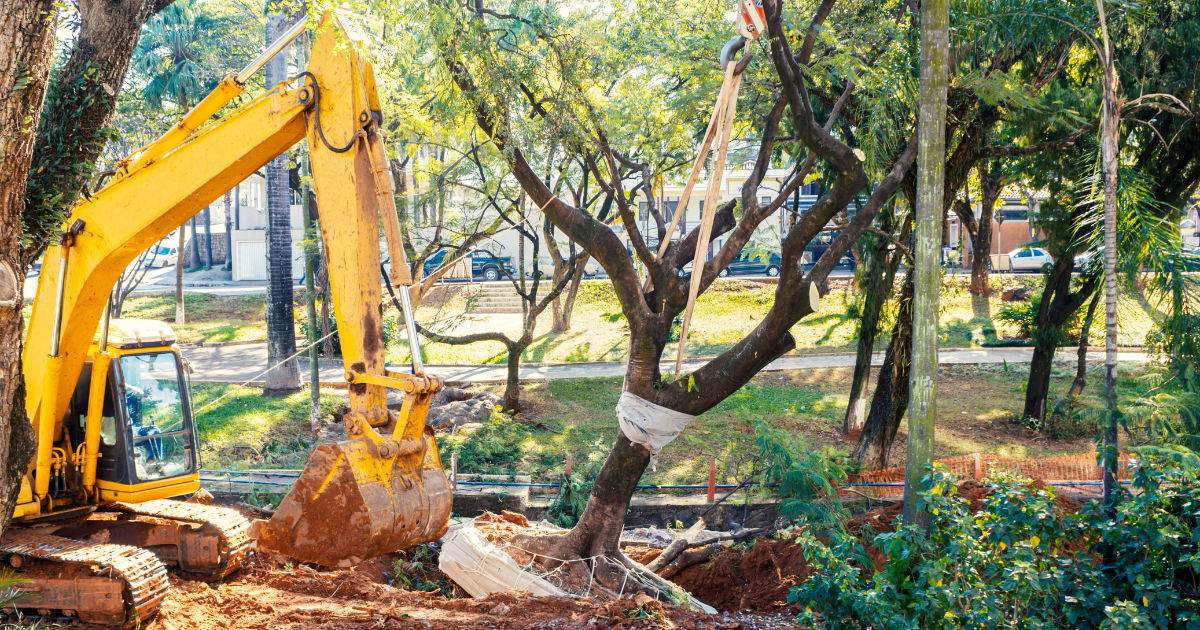
In this comprehensive guide, we will explore everything you need to know about pruning trees effectively, with a focus on practical tips and techniques. Whether you are a beginner or an experienced gardener, this guide will equip you with the knowledge you need to make your trees thrive. For residents in Australia, hiring a professional for tree pruning canberra can make a significant difference in maintaining tree health.
Pruning isn’t just about aesthetics. It’s a crucial process that supports the life of the tree and the surrounding garden. Correct pruning can help prevent overcrowding, reduce the risk of pests, and improve fruit and flower production. Many people in Canberra have discovered that tree pruning canberra is essential not just for beauty, but for functional benefits, including better light distribution and healthier foliage.
Why Pruning Trees Matters
Pruning is often misunderstood as simply cutting branches randomly or for visual appeal. In reality, it is a precise horticultural practice aimed at optimizing the tree’s growth and environment. There are several key reasons why pruning is necessary:
-
Improves Sunlight Penetration: Dense canopies can block sunlight from reaching lower branches and nearby plants. Pruning allows light to filter through, supporting photosynthesis and promoting healthy growth.
-
Enhances Airflow: Good airflow reduces moisture buildup inside the canopy, which can prevent fungal infections and pest infestations.
-
Removes Damaged or Diseased Branches: Pruning helps in cutting away dead, damaged, or diseased branches, preventing the spread of disease.
-
Encourages Fruit and Flower Production: By removing non-productive branches, the tree can focus its energy on producing better fruits and blooms.
-
Maintains Tree Shape and Size: Regular pruning prevents trees from becoming too large or awkwardly shaped, making them safer and more visually appealing.
Understanding Tree Growth and Structure
Before you begin pruning, it’s important to understand how trees grow. Each tree has a main trunk and branches that grow in a hierarchical structure. Recognizing these growth patterns helps in making informed pruning decisions.
-
Leader Branch: The main, central branch that grows vertically.
-
Lateral Branches: These grow horizontally from the trunk or leader.
-
Secondary Branches: Smaller branches that grow from the lateral branches.
The goal of pruning is to maintain a healthy balance between these types of branches. By targeting overcrowded lateral or secondary branches, you can open up the canopy to light and air without harming the tree’s structure.
Tools Needed for Tree Pruning
Choosing the right tools is essential for effective pruning. Using improper tools can damage the tree and make it vulnerable to disease. Here’s a list of tools commonly used in tree pruning canberra:
-
Hand Pruners: Ideal for cutting small branches under 1/2 inch thick.
-
Loppers: Useful for branches up to 2 inches thick.
-
Pruning Saw: Required for larger branches that hand pruners or loppers can’t handle.
-
Pole Pruners: Extend your reach for high branches without using a ladder.
-
Gloves and Safety Gear: Protect your hands and eyes from injuries while pruning.
Always make sure your tools are sharp and clean. Dull or dirty tools can tear the branches and spread disease.
When to Prune Trees
Timing plays a crucial role in tree pruning. Pruning at the wrong time can stress the tree or make it more susceptible to pests.
-
Late Winter or Early Spring: Ideal for most deciduous trees. Removing branches before the growing season allows the tree to heal quickly.
-
After Flowering: For flowering trees, prune immediately after the bloom to avoid removing buds that will produce flowers next season.
-
Avoid Late Summer or Fall: Pruning late in the season can stimulate new growth that may not survive the winter.
For residents in Canberra, consulting with experts in tree pruning canberra can ensure your trees are pruned at the right time, maximizing sunlight and airflow benefits.
Types of Pruning Cuts
Understanding different pruning cuts is essential for effective tree maintenance. Each cut serves a purpose and influences the tree’s growth pattern.
Thinning Cuts
Thinning removes entire branches at their point of origin. This reduces canopy density, increases sunlight penetration, and improves airflow. Thinning cuts are excellent for overgrown trees and help maintain natural shape.
Heading Cuts
Heading cuts remove the tips of branches, encouraging bushier growth. While useful in some cases, excessive heading can create weak branches and dense foliage, which may reduce airflow.
Reduction Cuts
Reduction cuts shorten a branch by cutting back to a lateral branch that is at least one-third the diameter of the cut branch. This is commonly used to reduce the size of the tree without harming its shape.
Cleaning Cuts
Cleaning cuts involve removing dead, diseased, or damaged branches. Regular cleaning prevents pest infestations and diseases from spreading throughout the tree.
Steps to Prune Trees for Better Sunlight
Pruning for sunlight involves careful observation and strategic cuts. Follow these steps for best results:
-
Assess the Tree: Look at the canopy and identify areas where sunlight is blocked. Focus on crowded or crossing branches.
-
Plan Your Cuts: Decide which branches to remove, considering both the tree’s shape and overall health.
-
Start from the Bottom: Begin pruning lower branches to gradually open up the canopy.
-
Thin Overcrowded Areas: Remove excess lateral branches to allow light to penetrate the canopy.
-
Step Back Often: Periodically step back to observe how your cuts are affecting light penetration.
Proper pruning ensures that sunlight reaches the inner canopy and lower plants, promoting overall garden health. Many homeowners in Canberra turn to tree pruning canberra services for guidance on achieving optimal sunlight distribution.
Steps to Prune Trees for Better Airflow
Airflow is crucial in preventing disease and encouraging healthy growth. Here’s how to prune for maximum ventilation:
-
Identify Crowded Branches: Look for areas where branches overlap and restrict air movement.
-
Remove Crossing Branches: Cut branches that rub against each other, as these can damage bark and invite pests.
-
Thin the Canopy: Reduce density by selectively removing branches, especially in the middle of the tree.
-
Maintain Natural Shape: Avoid excessive pruning that alters the tree’s natural growth, as this can stress the tree.
-
Check for Vertical Clearance: Ensure airflow at different levels of the tree, not just the top.
Improved airflow reduces humidity and moisture, which are key contributors to fungal growth and pest infestations. In Canberra, professionals specializing in tree pruning canberra are trained to maximize airflow without harming the tree.
Safety Tips for Tree Pruning
Tree pruning can be hazardous if not done properly. Safety should always be a priority.
-
Wear Protective Gear: Gloves, safety goggles, and sturdy clothing are essential.
-
Use Proper Ladders: Ensure your ladder is stable and on firm ground. Avoid overreaching.
-
Be Cautious with Power Tools: Chainsaws and electric pruners require training and care.
-
Know Your Limits: For large trees or high branches, consider hiring experts in tree pruning canberra.
-
Dispose of Debris Properly: Fallen branches and twigs can pose tripping hazards or attract pests.
Common Mistakes in Tree Pruning
Even experienced gardeners can make mistakes during pruning. Avoid these common errors:
-
Over-pruning: Removing too many branches at once can stress the tree.
-
Topping Trees: Cutting the main leader can weaken the structure and increase the risk of disease.
-
Ignoring Diseased Branches: Leaving unhealthy branches can spread infections.
-
Using Improper Tools: Dull or inappropriate tools can damage the tree.
-
Pruning at the Wrong Time: Seasonal mistakes can reduce flowering and fruiting or increase vulnerability to pests.
Understanding these mistakes helps ensure that your tree pruning efforts are both safe and effective.
Special Considerations for Different Types of Trees
Different tree species require specific pruning approaches.
Deciduous Trees
Prune in late winter or early spring before new growth begins. Focus on shaping and thinning the canopy.
Fruit Trees
Prune after harvest or in late winter. Prioritize sunlight and airflow to improve fruit quality and yield.
Evergreen Trees
Prune selectively to maintain shape and remove dead or damaged branches. Avoid heavy pruning during summer.
Flowering Trees
Prune after flowering to preserve blooms for the next season. Light thinning is preferred over heavy cuts.
For homeowners in Canberra, professional tree pruning canberra services can provide species-specific pruning advice tailored to local conditions.
Benefits of Hiring Professionals for Tree Pruning
While DIY pruning is possible for small trees, hiring professionals offers several advantages:
-
Expert Knowledge: Professionals know the best techniques for healthy growth.
-
Safety: Trained arborists handle large branches and high trees safely.
-
Time-Saving: Pruning can be labor-intensive; professionals do it efficiently.
-
Tree Health: Proper pruning increases longevity and reduces disease risks.
-
Legal Compliance: Some trees may be protected or require permits; professionals are aware of local regulations.
In Canberra, many residents rely on tree pruning canberra experts to maintain their trees efficiently and safely.
Maintaining Trees After Pruning
Pruning is not a one-time task. Regular maintenance ensures long-term tree health.
-
Watering: Provide adequate water after pruning, especially during dry periods.
-
Mulching: Apply mulch around the base to retain moisture and regulate soil temperature.
-
Monitoring for Pests and Disease: Keep an eye on the canopy for signs of infections or insect infestations.
-
Regular Inspection: Check annually for dead or overcrowded branches and prune as needed.
-
Fertilization: Use appropriate fertilizers to support recovery and growth after pruning.
Conclusion
Pruning trees for better sunlight and airflow is both an art and a science. It requires understanding tree structure, choosing the right tools, timing cuts correctly, and making precise pruning decisions. By following the steps outlined in this guide, you can enhance sunlight penetration, improve airflow, reduce disease risks, and promote healthy growth. Regular pruning ensures your trees remain safe, productive, and visually appealing.
For residents in Canberra, seeking professional help from tree pruning canberra services can make the process more efficient and safer, especially for large or mature trees. With the right knowledge and practices, pruning becomes a rewarding activity that contributes to a healthier, more vibrant garden. By prioritizing both sunlight and airflow in your pruning strategy, you give your trees the best chance to thrive and flourish for years to come.