
Invitation card wording: what order to write details
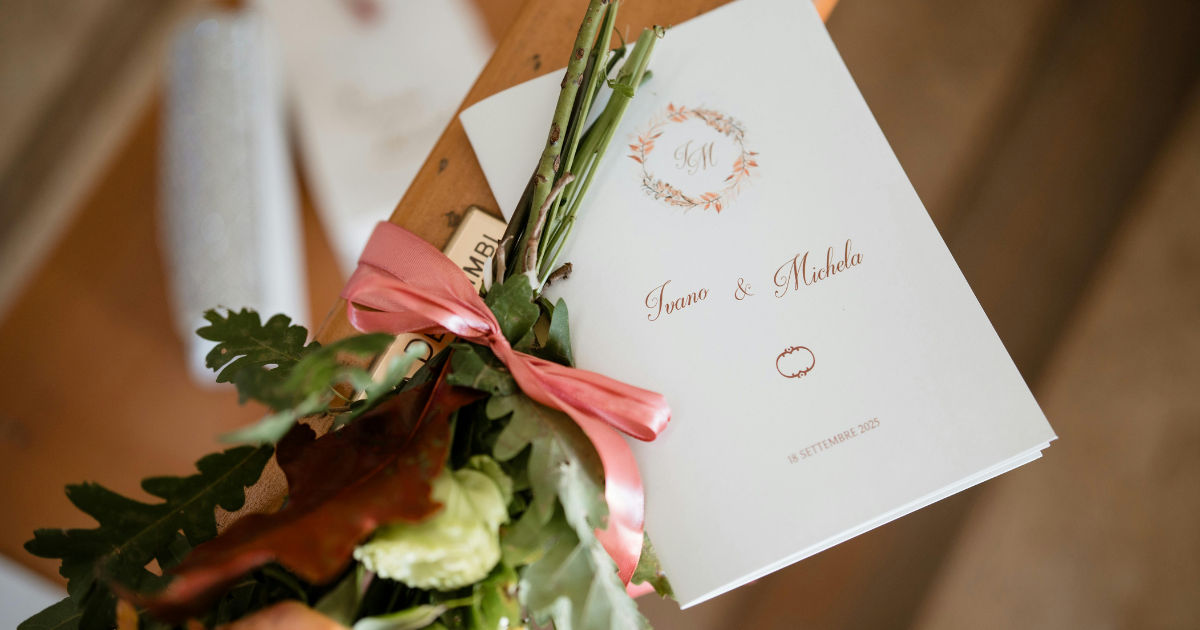
An invitation card is more than just a piece of paper; it is the first impression your guests will get about your event. The way you word your invitation card and the order in which you present the details can significantly impact how your guests perceive your event.
A well-crafted invitation card communicates the event’s importance, sets the right tone, and ensures that your guests have all the information they need to attend.
In this guide, we will explore the essential elements of an invitation card, the order to write the details, tips for making it attractive, and common mistakes to avoid.
Understanding the Purpose of an Invitation Card
Before we dive into the specifics of wording, it is important to understand why an invitation card is necessary. An invitation card serves multiple purposes:
-
Informational: It tells your guests when, where, and why the event is taking place.
-
Formal Communication: It sets the tone for the event, whether formal, casual, or festive.
-
Keepsake: A well-designed invitation card can become a cherished memory for your guests.
Knowing these purposes helps you prioritize which details to include and how to organize them effectively.Key Elements of an Invitation Card
A typical invitation card includes several key elements. Arranging these elements in a logical order is crucial for clarity. The following are the components you should include:
1. Host Information
The host’s name or names are typically the first thing your guests should see. This immediately tells the invitee who is inviting them. For example:
-
“Mr. and Mrs. Johnson request the pleasure of your company…”
-
“The Smith Family cordially invites you to celebrate…”
The host line sets a personal tone and establishes the origin of the invitation.
2. Occasion or Event Type
Clearly state the type of event following the host information. Guests need to know what they are being invited to. Keep it short and simple:
-
Wedding Ceremony
-
Birthday Celebration
-
Graduation Party
-
Baby Shower
Avoid vague terms, as they may confuse the guest about the nature of the event.
3. Guest of Honor (if applicable)
If your event celebrates someone specific, include their name immediately after the event type. This is especially important for birthdays, weddings, and anniversaries. Examples:
-
“In honor of Emily Johnson’s 18th Birthday”
-
“Celebrating the wedding of Sarah and Michael”
This section ensures that your guest understands the purpose of the celebration.
4. Date and Time
The date and time are critical. These details should be clear, concise, and easy to read. Use a consistent format and avoid ambiguity. Examples:
-
Saturday, January 20th, 2026 at 4:00 PM
-
20th January 2026 4:00 PM
Remember to mention the day of the week to help guests plan better.
5. Venue or Location
After the date and time, the next most important information is the location. Provide a full address, including street, city, and state, if necessary. For private venues or homes, you can add directions or landmarks. Examples:
-
The Grand Ballroom, Hilton Hotel, Downtown City
-
123 Maple Street, Springfield, IL
If your event is outdoors or virtual, specify details like “Park Pavilion A” or a Zoom meeting link.
6. RSVP Information
RSVP details are crucial so you can prepare for the correct number of attendees. Include the following information:
-
Contact person or email
-
Phone number
-
RSVP deadline
For example:
“Please RSVP to Sarah at 555-123-4567 by January 10th, 2026.”
7. Dress Code or Theme (Optional)
Some events require specific attire or have a theme. Include this information at the end of your invitation card, clearly but subtly:
-
Black Tie Attire
-
Casual Summer Dress
-
1920s Themed Party
This helps guests dress appropriately and participate fully in your event.
8. Additional Information (Optional)
If necessary, you can include any other relevant details, such as parking information, gift registry, or special instructions. Keep it concise to avoid cluttering the card.
Suggested Order for Writing Invitation Card Details
Organizing your invitation card details in the right order ensures clarity and professionalism. The recommended order is:
-
Host Name(s)
-
Occasion/Event Type
-
Guest of Honor (if any)
-
Date
-
Time
-
Venue/Location
-
RSVP Details
-
Dress Code/Theme (if any)
-
Additional Notes (parking, gifts, instructions)
Following this order ensures that the most important information is immediately visible and the card flows naturally from who is hosting to when, where, and how guests should respond.
Tips for Writing Clear and Attractive Invitation Cards
Writing an invitation card is not just about listing details. It is also about making the text visually appealing and readable. Here are some tips:
Keep It Simple
Avoid overly long sentences or complex vocabulary. The goal is clarity. Guests should be able to read your invitation card quickly and understand all the necessary information.
Use Proper Punctuation
Correct punctuation enhances readability and professionalism. For example:
-
Correct: “You are invited to celebrate the wedding of Sarah and Michael.”
-
Incorrect: “You are invited to celebrate the wedding of Sarah, and Michael”
Be Consistent with Fonts and Sizes
Choose fonts that are easy to read and maintain consistency throughout the card. Avoid using more than two different fonts. Emphasize key details like names or dates by using bold or italics.
Include White Space
Avoid overcrowding your invitation card with text. Use white space strategically to separate sections. This makes it easier for guests to locate important details quickly.
Match the Tone to the Event
The wording should reflect the nature of the event. For example:
-
Formal events: “Mr. and Mrs. Thompson request the pleasure of your company at the marriage of their daughter.”
-
Casual events: “Join us for Jake’s 16th birthday party!”
Common Mistakes to Avoid in Invitation Card Wording
Even small mistakes can confuse guests or make your invitation card appear unprofessional. Here are some common errors to watch for:
Missing or Incorrect Details
Always double-check dates, times, and addresses. A wrong number or date can ruin your event planning.
Overly Complicated Wording
Using flowery language or jargon may make your invitation hard to read. Keep sentences concise and straightforward.
Ignoring RSVP Instructions
Failing to include RSVP instructions can leave you unprepared for the number of attendees. Always include clear RSVP information with a deadline.
Forgetting the Guest’s Name
For personalized invitations, never forget to mention the guest’s name. It adds a personal touch and shows that the invitation was thoughtfully created.
Overcrowded Design
While it is tempting to add decorations, avoid making your invitation card too busy. A cluttered card can distract from the main details.
Examples of Well-Structured Invitation Card Wording
Here are some examples to illustrate different types of events:
Wedding Invitation Example
Mr. and Mrs. Jameson
request the honor of your presence
at the marriage of their daughter
Emma Rose Jameson
to
Liam Michael Clarke
Saturday, March 15th, 2026
at 4:00 PM
Grand Ballroom, Hilton Hotel
123 Main Street, Springfield, IL
RSVP by March 1st, 2026
Email: [email protected] Phone: 555-678-1234
Black Tie Attire
Birthday Party Example
You are invited to celebrate
Jake Thompson’s 16th Birthday!
Saturday, June 10th, 2026
from 2:00 PM to 6:00 PM
Maple Community Park, Pavilion B
456 Maple Street, Springfield, IL
RSVP by June 1st, 2026
Phone: 555-321-4567
Casual Summer Dress
Baby Shower Example
The Wilson Family
joyfully invites you to a baby shower honoring
Emily Wilson
Sunday, April 20th, 2026
at 3:00 PM
Sunset Garden Café
789 Sunset Boulevard, Springfield, IL
RSVP by April 10th, 2026
Email: [email protected]
Theme: Woodland Animals
Digital vs. Printed Invitation Cards
In today’s digital age, invitation cards can be both printed and electronic. Each format has its own considerations:
Printed Invitation Cards
-
Pros: Tangible, keepsake, elegant appearance
-
Cons: Costs more, requires mailing time
Digital Invitation Cards
-
Pros: Instant delivery, easy to track RSVPs, eco-friendly
-
Cons: Less personal, may be overlooked in emails
Regardless of format, the order of details remains the same. Whether it is digital or printed, following the correct sequence ensures clarity and professionalism.
Conclusion
Writing an invitation card may seem simple, but the order of details and clarity of wording play a crucial role in ensuring your event’s success. Begin with the host’s name, state the occasion, include the guest of honor, date, time, venue, RSVP information, and optional details like dress code or theme. Avoid cluttered designs, overly complicated wording, and missing details. By following this guide, you can create an invitation card that is not only informative but also elegant and memorable.
Remember, your invitation card sets the first impression. Taking the time to structure it properly ensures your guests feel valued and excited about your event. Whether formal or casual, printed or digital, a well-worded invitation card speaks volumes about the effort you put into hosting.