
Matched Team-based Healthcare With Patient-centric Focus On
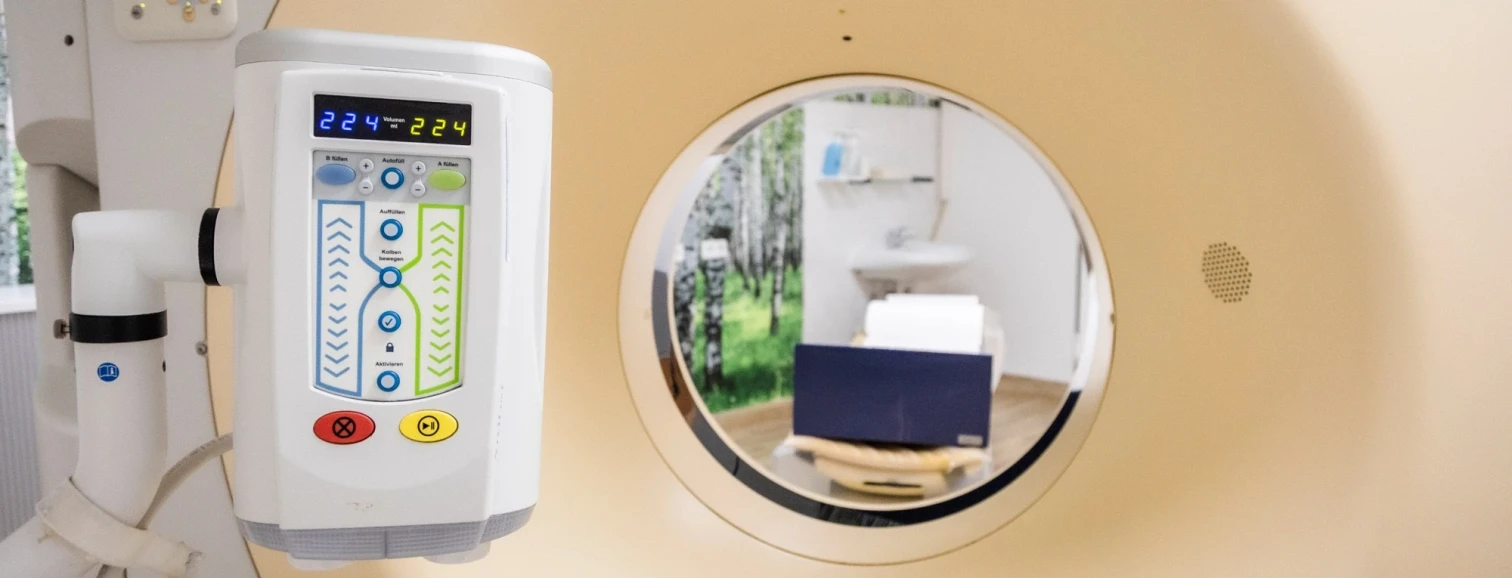
In Bodoni medicine, healthcare is no longer a solo strive. Coordinated team-based healthcare with a patient-centric focalize represents a transformative approach that emphasizes quislingism among health care professionals while placing patients at the focus on of every . This simulate ensures that care is comprehensive, efficient, and tailored to person needs, at last improving outcomes and affected role satisfaction CT Gifhorn.
Understanding Team-Based Healthcare
Team-based health care involves a multidisciplinary group of health care professionals workings together to manage a patient role s care. This team may let in physicians, nurses, specialists, pharmacists, dietitians, mental wellness professionals, and other allied health providers. Each phallus contributes unique expertness, ensuring that the patient role receives holistic, well-rounded care.
Unlike traditional care models, where a ace medic handles most decisions, team-based approaches reduce gaps in treatment, understate errors, and improve coordination between various aspects of care. Effective communication, distributed goals, and standardised protocols are necessity to making this simulate sure-fire.
The Patient-Centric Focus
While team-based care emphasizes quislingism among health care providers, a affected role-centric focus on ensures that every action prioritizes the patient role s preferences, values, and health goals. Patient-centric care empowers individuals to actively participate in -making, enhancing attachment to treatment plans and overall gratification.
This approach recognizes that patients are not just passive recipients of care but active partners. Their experiences, concerns, and personal circumstances guide care strategies. By orientating treatment plans with patient role priorities, healthcare providers can attain better outcomes, cleared tone of life, and a more personalized healthcare experience.
Key Components of Coordinated, Patient-Centric Care
Multidisciplinary Collaboration: Team members meet regularly to hash out the affected role s , advance, and evolving needs. This collaboration ensures that care is structured and avoids gemination or opposed recommendations.
Effective Communication: Clear, open communication among team members and with the patient role is crucial. Electronic wellness records, procure electronic messaging platforms, and shared out care plans help unlined entropy .
Comprehensive Care Planning: The team develops personalised care plans that integrate health chec history, lifestyle, preferences, and long-term wellness goals. These plans are dynamic and well-balanced as the patient role s evolves.
Patient Engagement and Education: Educating patients about their conditions and handling options allows them to make advised decisions. Engagement also encourages adhesion and fosters swear between patients and providers.
Outcome Monitoring and Feedback: Continuous monitoring of patient role outcomes helps the team assess the effectiveness of interventions and make necessary adjustments promptly.
Benefits of Coordinated Team-Based Care
Implementing a team-based, affected role-centric go about offers six-fold advantages:
Improved Health Outcomes: By combining expertise across disciplines, the team addresses all aspects of the patient role s health, reduction complications and improving retrieval rates.
Enhanced Patient Experience: Patients feel valued, understood, and actively encumbered in their care, leadership to higher gratification levels.
Reduced Medical Errors: Team coordination minimizes the risk of conflicting treatments, medication errors, and uncomprehensible diagnoses.
Efficient Use of Resources: Shared responsibilities and streamlined processes tighten redundancies and optimize health care resources.
Holistic Approach: Physical, unhealthy, and emotional health needs are self-addressed simultaneously, promoting overall well-being.
Implementing Team-Based, Patient-Centric Care
Successful implementation requires both morphologic and perceptiveness changes within health care organizations. Key strategies admit:
Training and Education: Team members must welcome preparation on collaborative practices, communication skills, and patient engagement techniques.
Technology Integration: Electronic wellness records, telemedicine platforms, and care tools enable real-time collaboration and access to patient entropy.
Patient Involvement: Patients should be included in care provision discussions, goal scene, and handling decisions. Their feedback can shape more effective and acceptable interventions.
Leadership Support: Strong leading fosters a culture of collaborationism, answerableness, and patient-centeredness, ensuring that team-based care is consistently applied.
Case Example
Consider a patient with diabetes and high blood pressure. In a team-based simulate, an manages profligate sugar, a heart surgeon monitors spirit health, a dietician recommends a aliment plan, a harbour pedagogue ensures medicinal dru adhesion, and a mental health professional addresses strain and modus vivendi factors. Through continuous communication and patient involvement, the patient receives a matched, personal care plan that improves long-term wellness outcomes.
Conclusion
Coordinated team-based health care with a patient role-centric focalize is a forward-thinking simulate that redefines how health care is delivered. By combining the strengths of sextuple healthcare professionals and centering care around the patient role, this go about addresses the complexness of modern health needs effectively and efficiently.
Patients profit from holistic care that respects their preferences, enhances participation, reduces errors, and improves overall outcomes. As healthcare continues to evolve, adopting a team-based, affected role-focused go about is not just groundbreaking it s requisite for achieving the highest standard of care in the 21st century.