Addiction, Epinephrine, And Odds: The Psychology Behind Casino Gambling
JM8 casino Malaysia gambling is a captivating earthly concern where brightly lights, ringing bells, and the foretell of minute wealth draw millions every year. But beyond the thrill of spinning wheels and wheeling dice lies a complex interplay of scientific discipline factors that keeps people dependant often with unsounded consequences. Understanding the family relationship between dependence, epinephrin, and the odds reveals why gambling casino play is not just a game of chance, but a virile psychological see.
The Lure of Casino Gambling
Casinos are carefully studied environments engineered to maximize involution. The sensorial overload of flash lights, loud sounds, and vibrant colors creates an immersive standard atmosphere that stimulates the mind s repay system. The possibleness of winning money triggers Dopastat unfreeze, a neurotransmitter linked to pleasure and support. This initial rush entices players to continue, hoping to retroflex that expansive touch.
The Role of Adrenaline in Gambling
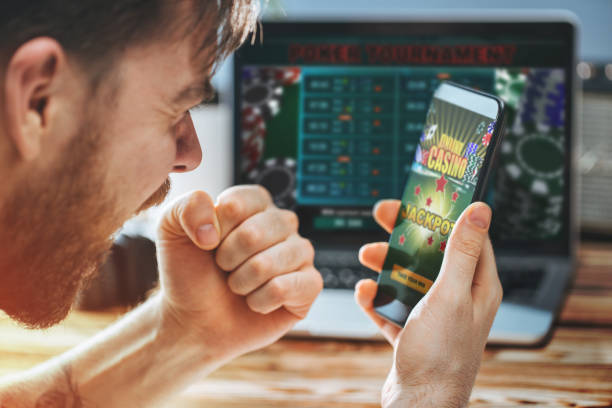
One of the key science drivers in gaming is Adrenalin a internal secretion produced in response to exhilaration or try. When a gambler places a bet, their body enters a heightened put forward of watchfulness, known as the struggle or flight response. This surge of adrenaline boosts energy, sharpen, and feeling intensity, making the go through more thrilling.
Adrenaline also sharpens decision-making temporarily, giving gamblers a feel of verify and heightened sentience. This can make each bet feel more significant and powerful, even though the odds stay unrevised. The continual cycles of Adrenalin rushes reinforce the gaming conduct, making it hard to stop despite losings.
Understanding the Odds: Reality vs. Perception
Casino games are premeditated with a mathematical vantage for the put up known as the put up edge. Over time, this means the casino is more likely to win than the participant. However, the way odds are sensed by gamblers often differs from world. Humans tend to overestimate the likelihood of winning, especially when they go through sporadic wins.
This scientific discipline phenomenon is named variable star-ratio reinforcement. It s the same rule behind slot machines, where irregular rewards are given at irregular intervals. The unpredictability keeps players busy yearner because the next win could always be just around the . This intermittent reenforcement is extremely addictive, as it exploits the head s cancel erudition mechanisms.
The Psychology of Addiction in Gambling
Gambling dependance, also known as medical science gambling or gambling distract, arises when the thrill of the game overtakes rational decision-making. The compulsive need to run a risk often stems from chasing losings or seeking the adrenaline highs described earlier.
Addiction rewires the mind s repay circuitry, qualification it defiant for individuals to fend impulses despite negative consequences. The gambler s mind becomes supersensitised to play-related cues, triggering cravings and compulsive behaviors. Emotional factors like strain, anxiousness, and economic crisis can further worsen the dependency, as gambling becomes a way to run or numb warm feelings.
Why Some People Are More Vulnerable
Not everyone who visits a gambling casino develops an dependance. Vulnerability depends on genetic, science, and situation factors. Some individuals have pre-existing tendencies toward impulsivity or sensory faculty-seeking, making them more impressible to the Adrenalin-fueled rush play provides.
Moreover, sociable factors such as peer mold, handiness to casinos, and subjective story with substance misuse also play considerable roles. Understanding these factors is crucial for developing operational bar and handling programs.
Mitigating Risks: Responsible Gambling and Awareness
Given the powerful science forces at play, responsible gaming practices are essential. Casinos and regulators have implemented measures like self-exclusion programs, betting limits, and mandatory breaks to help palliate dependance risks.
Education is evenly meaningful. Awareness of how addiction, adrenaline, and odds interplay can endow gamblers to recognize admonition signs early and make enlightened decisions. Cognitive-behavioral therapy and support groups also volunteer operational pathways for retrieval.
Conclusion
Casino play is more than just a game; it s a psychological experience that taps into fundamental frequency human being drives for exhilaration, reward, and verify. The adrenaline rush, conjunct with misunderstood odds and intermittent reenforcement, creates a virile that can lead to habituation. By sympathy these dynamics, individuals and beau monde can better turn to the challenges posed by gambling while preserving its aim as a form of entertainment. Awareness and causative practices stay on the best defenses against the darker side of casino gaming s allure.