
Why Use A Packaging Machine In Manufacturing
A Packaging Machine plays a crucial role in modern manufacturing by improving speed, accuracy, and consistency in product packaging. In today’s competitive industrial world, companies are constantly looking for ways to reduce costs, improve efficiency, and maintain product quality. A Packaging Machine helps achieve all these goals by automating the packaging process and reducing the need for manual labor. From food and beverages to pharmaceuticals and electronics, almost every industry relies on a Packaging Machine to ensure products are safely and professionally packed.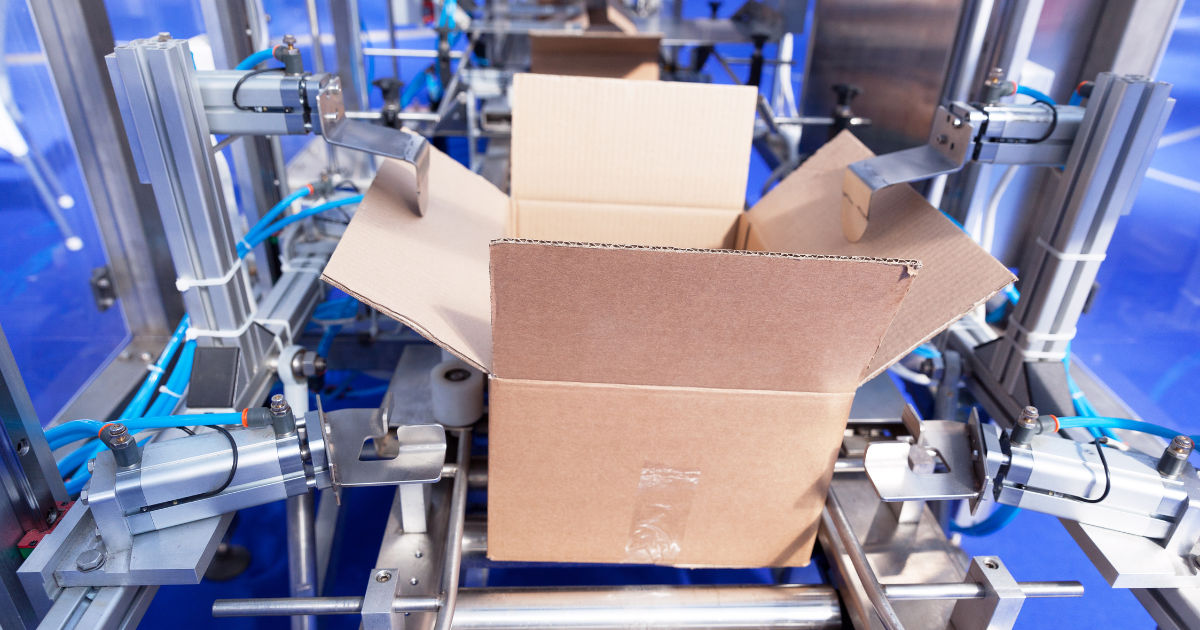
In simple terms, a Packaging Machine is designed to wrap, seal, fill, label, or bundle products with minimal human involvement. This automation not only saves time but also reduces human error, which can lead to damaged goods or inconsistent packaging. As manufacturing continues to grow globally, the demand for a reliable Packaging Machine has become more important than ever.
In this comprehensive guide, we will explore what a Packaging Machine is, how it works, its types, benefits, applications, and why it is essential in manufacturing today.
What is a Packaging Machine?
A Packaging Machine is a mechanical or automated system used to package products efficiently and safely. It performs tasks such as filling containers, sealing packages, wrapping goods, labeling, and even palletizing finished products.
In manufacturing, a Packaging Machine ensures that products are prepared for storage, transportation, and sale in a standardized way. Without a Packaging Machine, companies would rely heavily on manual labor, which is slower and less consistent.
A modern Packaging Machine can be semi-automatic or fully automatic depending on the level of production required. Fully automated systems are widely used in large industries where speed and precision are critical.
The main purpose of a Packaging Machine is to protect products from damage, contamination, and environmental exposure while maintaining their quality until they reach the customer.
Types of Packaging Machines
There are several types of Packaging Machine systems used in manufacturing, each designed for specific tasks and industries.
Filling Machines
A filling Packaging Machine is used to fill liquids, powders, or granules into containers. It is commonly used in the food, beverage, and pharmaceutical industries. Accuracy is essential in a filling Packaging Machine to ensure each package contains the correct quantity.
Sealing Machines
A sealing Packaging Machine is responsible for closing packages securely. It may use heat, pressure, or adhesives to ensure airtight sealing. This type of Packaging Machine is widely used for food preservation.
Wrapping Machines
A wrapping Packaging Machine is used to wrap products in plastic film or other protective materials. This type of Packaging Machine is common in retail and industrial packaging.
Labeling Machines
A labeling Packaging Machine applies labels to products or packaging surfaces. It ensures branding, product information, and regulatory details are clearly displayed.
Cartoning Machines
A cartoning Packaging Machine packs products into boxes or cartons. It is often used in pharmaceutical and consumer goods industries.
Palletizing Machines
A palletizing Packaging Machine stacks finished products onto pallets for shipping. This improves logistics efficiency and reduces manual handling.
Importance of Packaging Machines in Manufacturing
A Packaging Machine is essential in manufacturing because it ensures consistency, speed, and safety in product handling.
One of the main reasons industries invest in a Packaging Machine is to improve production efficiency. Manual packaging is slow and often inconsistent, while a Packaging Machine operates at high speed with precision.
Another important factor is product protection. A Packaging Machine ensures that items are properly sealed and protected from contamination, moisture, and physical damage.
In large-scale manufacturing, a Packaging Machine also helps maintain hygiene standards, especially in industries like food and pharmaceuticals where cleanliness is critical.
Furthermore, a Packaging Machine supports branding by ensuring that packaging is neat, uniform, and professional-looking.
Benefits of Using a Packaging Machine
The advantages of using a Packaging Machine in manufacturing are numerous and impactful.
Increased Productivity
A Packaging Machine significantly increases production speed. It can package thousands of items in a short period compared to manual labor.
Consistency and Accuracy
Every Packaging Machine is designed to deliver consistent results. This reduces variation in packaging size, weight, and appearance.
Reduced Labor Costs
By automating the packaging process, a Packaging Machine reduces the need for large labor teams, helping companies save money.
Improved Safety
A Packaging Machine reduces the risk of workplace injuries caused by repetitive manual tasks.
Better Product Protection
A properly functioning Packaging Machine ensures products are sealed securely, extending shelf life and preventing damage.
Enhanced Brand Image
Professional packaging created by a Packaging Machine improves customer perception and brand trust.
Efficiency and Automation in Packaging Machines
Modern manufacturing heavily depends on automation, and a Packaging Machine is a key part of this transformation.
A fully automated Packaging Machine can operate continuously with minimal human supervision. This reduces downtime and increases output.
Advanced Packaging Machine systems are equipped with sensors, control panels, and software that monitor performance in real-time. This ensures that the Packaging Machine operates efficiently and detects errors quickly.
Automation also allows a Packaging Machine to integrate with other production systems, creating a seamless manufacturing process from production to packaging.
As industries move toward smart factories, the role of an intelligent Packaging Machine becomes even more important.
Cost Savings and Return on Investment
Investing in a Packaging Machine may seem expensive initially, but it offers long-term financial benefits.
A Packaging Machine reduces labor costs by minimizing manual work. It also decreases material waste by ensuring accurate packaging.
Because a Packaging Machine improves speed, companies can produce and sell more products in less time, increasing revenue.
Maintenance costs for a modern Packaging Machine are relatively low compared to the savings it provides. Over time, businesses experience a strong return on investment from using a Packaging Machine.
Quality Control and Safety
Quality control is a major reason why manufacturers rely on a Packaging Machine.
A Packaging Machine ensures that every product is packaged under the same conditions, reducing human error. This leads to uniform quality across all products.
In industries like food and pharmaceuticals, a Packaging Machine plays a critical role in maintaining hygiene and preventing contamination.
Safety is another important factor. A Packaging Machine reduces direct human contact with hazardous materials or sharp equipment, improving workplace safety.
Additionally, many modern Packaging Machine systems include quality inspection features that detect defective packaging and remove it automatically.
Industry Applications of Packaging Machines
A Packaging Machine is used across a wide range of industries due to its versatility and efficiency.
Food and Beverage Industry
In this industry, a Packaging Machine is used for sealing snacks, bottling drinks, and preserving freshness.
Pharmaceutical Industry
A Packaging Machine ensures medicines are safely packed, labeled, and protected from contamination.
Cosmetic Industry
Cosmetic companies use a Packaging Machine for filling creams, lotions, and perfumes into containers.
Electronics Industry
A Packaging Machine protects delicate electronic components during storage and transport.
Agriculture Industry
Farm products like grains and seeds are processed and packed using a Packaging Machine for distribution.
Challenges and Considerations
While a Packaging Machine offers many benefits, there are also some challenges to consider.
The initial cost of a Packaging Machine can be high, especially for fully automated systems.
Maintenance is another important factor. A Packaging Machine requires regular servicing to maintain performance.
Training employees to operate a Packaging Machine is also necessary, especially for advanced systems.
Finally, choosing the right Packaging Machine for specific manufacturing needs is crucial, as different industries require different packaging solutions.
Conclusion
In modern manufacturing, the importance of automation and efficiency cannot be overstated. A Packaging Machine has become an essential tool for industries aiming to improve productivity, reduce costs, and maintain high-quality standards.
From small businesses to large-scale factories, a Packaging Machine helps streamline operations and ensure products are delivered safely and professionally. It enhances speed, accuracy, and consistency while reducing human error and labor costs.
Although the initial investment in a Packaging Machine may be significant, the long-term benefits far outweigh the costs. As technology continues to advance, the role of the Packaging Machine will become even more important in shaping the future of manufacturing.
Ultimately, a Packaging Machine is not just a piece of equipment—it is a foundation for modern industrial success.