
How should western dresses for girls fit?
The right fit can make an outfit look polished, comfortable, and natural. When choosing western dresses for girls, fit should be considered just as carefully as color, fabric, and style. A beautiful dress can look awkward if the shoulders are too wide, the waist is too tight, or the hem is too long. 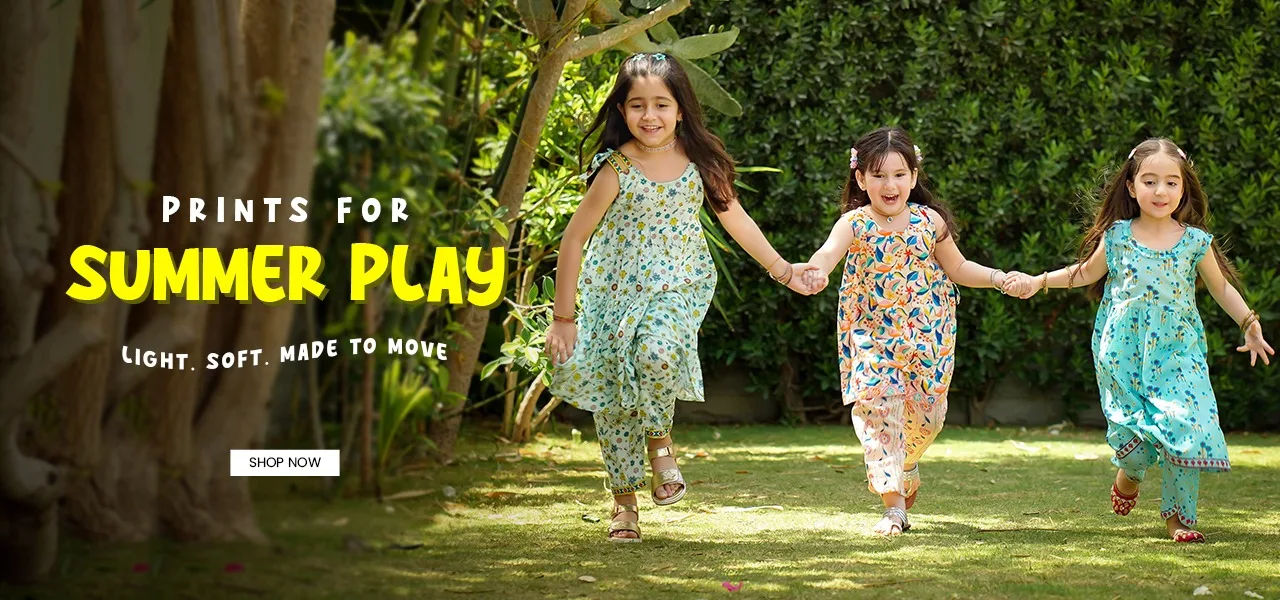 The goal is not simply to find a dress that matches a size label. It is to find one that sits properly on the body and allows comfortable movement.
For parents and girls shopping together, understanding fit is especially useful because clothing sizes are not always consistent between brands. One company's medium may fit differently from another company's medium. This is why measurements and comfort are often more useful than the number printed on a tag.
The best dress should look neat while allowing the wearer to walk, sit, bend, raise her arms, and enjoy the day without constantly pulling or adjusting the clothing. A good fit balances appearance, comfort, movement, and the intended shape of the dress.
Start With Accurate Measurements
Before choosing a dress size, take a few basic measurements. Depending on the style, these can include chest or bust, waist, hips, shoulder width, height, and sleeve length.
Use a soft measuring tape and keep it comfortably against the body. It should not be pulled tightly. Measurements should normally be taken over light clothing so they are as accurate as possible.
Age-based sizing can provide a starting point, but it should not be treated as an exact rule. Children and teenagers develop at different rates, so two girls of the same age can require very different sizes.
When shopping online, compare body measurements with the retailer's size chart. If the measurements fall between two sizes, consider the fabric and construction before deciding which size to order.
A stretchy jersey dress may allow slightly more flexibility than a structured cotton or woven dress. A garment with a fitted bodice usually needs more precise sizing than a loose A-line design.
Check the Shoulder Fit
The shoulders are one of the easiest areas to use when judging fit. The shoulder seam should generally sit close to the natural edge of the shoulder unless the dress is deliberately designed with dropped or oversized shoulders.
If the seam sits too far inward, the dress may be too small. This can create tension across the upper body and make the sleeves uncomfortable.
If the shoulder seam hangs noticeably down the arm on a standard fitted design, the dress may be too large.
When trying on western dresses for girls, ask the wearer to move both arms forward and then lift them overhead. The dress should move with the body without excessive pulling around the shoulders or underarms.
This simple test can reveal a problem that may not be visible while standing still.
Make Sure the Bodice Is Comfortable
The bodice should provide enough room for normal breathing and movement. It should not feel as though it is squeezing the chest or restricting the upper body.
Look at buttons, seams, and zippers. They should generally lie flat. If buttons pull apart, seams stretch noticeably, or a zipper strains, the dress may be too small.
On the other hand, too much fabric around the chest can make a fitted design appear baggy. If the dress is intended to have a defined shape, excessive looseness may change its appearance.
For younger girls, comfort deserves particular attention. A dress that looks attractive while standing may become irritating after sitting, walking, or playing for an extended period.
Pay Attention to the Waist
The waist should sit where the designer intended it to sit. A natural-waist dress should normally align around the natural waist, while empire-waist and drop-waist designs intentionally position the seam higher or lower.
A fitted waist should feel secure without digging into the skin. There should be enough ease to sit comfortably, move around, and participate in normal activities.
Elastic waist details can provide flexibility, particularly for everyday clothing. However, elastic should not feel excessively tight or leave uncomfortable pressure marks.
When evaluating western dresses for girls, look at the waist both while standing and sitting. A dress can seem comfortable while standing but become restrictive once the wearer sits down.
Choose the Right Dress Length
Length is another important part of fit. The appropriate length depends on the girl's age, the occasion, the style of the dress, and personal comfort.
Casual dresses may be shorter and easier to move in. Formal dresses may be longer and more structured.
The hem should not create a constant need to pull the dress down or adjust it. For longer dresses, check whether the hem catches under shoes during walking.
Floor-length designs deserve particular attention because an excessively long hem can make movement difficult and increase the risk of tripping.
For growing children, parents may be tempted to buy a much longer dress so it can be used later. A small amount of extra length can be practical, but buying several sizes too large can make the dress uncomfortable and change its intended proportions.
Check the Sleeves and Armholes
Sleeve fit is easy to overlook, but it can strongly affect comfort.
The upper sleeve should not squeeze the arm. Ask the wearer to bend her elbows, reach forward, and raise her arms. If the sleeve pulls sharply or feels restrictive, the dress may need a larger size or a different cut.
Sleeveless dresses require attention around the armholes. The opening should sit comfortably without cutting into the skin or gaping excessively.
Long sleeves should reach an appropriate point on the wrist or forearm depending on the design. Sleeves that are much too long can interfere with eating, writing, playing, and other everyday activities.
For western dresses for girls, sleeve comfort is particularly important when the dress will be worn for several hours.
The Intended Silhouette
Not every dress should fit closely to the body. The intended silhouette should determine how much room is considered appropriate.
An A-line dress gradually widens from the upper body. A fit-and-flare dress usually has a closer bodice with a fuller skirt. A shift dress tends to have a more relaxed shape.
A body-conscious style is designed to follow the body more closely, while an oversized design intentionally provides additional volume.
Therefore, a loose dress should not be judged using the same standards as a fitted dress. The important question is whether the garment looks intentional.
When shopping for western dresses for girls, compare the actual dress with its intended design. Excess fabric is not automatically a fitting problem if the style is deliberately relaxed.
Consider the Fabric
Fabric can change the way a dress fits and feels.
Cotton and woven fabrics may have limited stretch, so accurate sizing becomes more important. Jersey, knit blends, and fabrics containing elastane can offer greater flexibility.
Stretch does not mean a dress should be purchased several sizes too small. The fabric should still sit naturally without excessive tension.
The lining also matters. A dress can feel comfortable on the outside but become irritating if the lining is tight, rough, or poorly positioned.
Weather should be considered as well. Breathable fabrics can make summer clothing more comfortable, while dresses intended for cooler weather may need enough space for an additional layer.
Test the Dress While Moving
Standing in front of a mirror provides only part of the fitting process. Movement is one of the best ways to determine whether a dress really fits.
Walk several steps. Sit down. Stand up. Raise both arms. Bend slightly. Turn from side to side.
Watch for fabric pulling, riding upward, bunching, slipping, or becoming uncomfortably tight.
This is especially important for western dresses for girls intended for birthdays, school events, parties, or family gatherings. Children rarely remain completely still throughout an event.
A dress that requires constant adjustment may look good initially but become frustrating after an hour or two.
The wearer should also be encouraged to describe how the dress feels. Comments such as "this scratches," "this pinches," or "this keeps slipping" should not be ignored.
Recognize Signs of a Poor Fit
Several common signs can help identify fitting problems.
Horizontal pulling lines may indicate that an area is too tight. Excess fabric can suggest that the dress is too large or that its cut does not suit the body shape.
A neckline that constantly shifts may be too loose. Armholes that gape can indicate excessive room, while armholes that cut into the skin may indicate insufficient space.
A waist seam that twists can suggest that the dress is not sitting correctly. An uneven hem can also indicate a sizing or construction issue.
However, not every wrinkle means the dress fits badly. Some fabrics naturally create folds, and certain designs use deliberate draping. The key is to distinguish intentional folds from wrinkles caused by tension or excess material.
Match the Fit to the Occasion
Different occasions call for different types of fit.
Everyday dresses generally benefit from relaxed comfort and easy movement. Party dresses can be more structured, but they should still allow the wearer to sit, walk, and move normally.
Formal dresses may have fitted bodices, layered skirts, decorative details, or structured fabrics. These features make a proper fitting session particularly useful.
Outdoor events require additional consideration because the wearer may spend more time walking or moving around.
When choosing western dresses for girls for an event, think about how long the dress will be worn. A garment that feels comfortable for twenty minutes may become uncomfortable during a five-hour celebration.
Shoes should also be considered when checking the length. The same dress can appear and behave differently with flats, sandals, or formal shoes.
Do Not Choose a Dress Based Only on the Size Label
Clothing size numbers are not universal. A girl may wear different sizes in different brands and still have a perfectly normal fit.
The actual measurements and the way the dress sits on the body matter more than the number printed on the label.
If one size pulls across the chest and the next size feels comfortable while maintaining the intended shape, the larger size may be the more practical choice.
Likewise, choosing a smaller size simply because it creates a tighter appearance is not necessarily a better choice.
For western dresses for girls, the objective should be a balanced fit rather than achieving a particular size label.
Leave Practical Room for Growth
Children grow, so buying clothing with some growing room can make financial sense.
However, too much extra room can create its own problems. Very long hems can interfere with walking, oversized sleeves can get in the way, and loose straps may slip.
A better approach is to look for forgiving designs that can accommodate modest growth.
Adjustable shoulder straps, elastic waist details, relaxed silhouettes, and slightly flexible fabrics can extend the useful life of a dress without making it obviously oversized.
Growth room should be practical rather than excessive.
Consider Undergarments and Layers
The complete outfit matters when checking fit.
A dress may feel comfortable over a thin base layer but become tight when worn with a cardigan or sweater. This is especially relevant for seasonal clothing.
If a dress will normally be worn with an additional layer, consider that extra space before purchasing.
Coverage should also be checked. Light-colored or thin fabrics can behave differently under bright lighting, so the dress should be evaluated in realistic conditions.
For western dresses for girls, comfort and coverage should remain priorities rather than being treated as minor details.
Be Careful When Shopping Online
Online shopping requires additional attention because the dress cannot be tried on beforehand.
Start by checking the size chart. Determine whether the listed measurements refer to the body or the finished garment.
Product descriptions can also provide useful information. Terms such as relaxed, fitted, oversized, slim, or stretchy can help explain how the garment is expected to sit.
Customer reviews can offer clues about sizing, but individual experiences vary because body proportions are different.
Before ordering western dresses for girls online, check the store's exchange and return policies. This is particularly important when buying expensive formalwear or ordering from an unfamiliar brand.
Consider Simple Alterations
Sometimes a dress is nearly perfect but needs a small adjustment.
A slightly long hem can often be shortened. Straps may sometimes be adjusted, and minor waist changes can improve the overall fit.
A dress that is slightly loose may be easier to alter than one that is significantly too tight.
However, major alterations can become expensive or difficult, particularly when a dress has layered fabric, decorative stitching, complicated zippers, or structured panels.
If a garment requires extensive modification simply to become wearable, another size or style may be a more sensible option.
Comfort Should Remain a Priority
Good fit is not only about appearance. It also affects how naturally a girl can move and enjoy an occasion.
A well-fitting dress should not require constant tugging, pulling, or checking. The wearer should be able to focus on school, friends, family, activities, or the event itself.
This is particularly important with western dresses for girls worn for long periods. Tight waistlines, restrictive sleeves, uncomfortable necklines, or excessive length can become much more noticeable as time passes.
A dress that feels good and moves naturally can also make the entire outfit feel more polished because the wearer is less likely to adjust it repeatedly.
Conclusion
Finding the right fit requires more than selecting a familiar size. Shoulder placement, bodice room, waist position, sleeve comfort, length, fabric behavior, and the intended silhouette all contribute to how a dress actually fits.
When evaluating western dresses for girls, movement is one of the most useful tests. Walking, sitting, bending, reaching, and turning can reveal fitting problems that are difficult to notice while standing still.
A good dress should follow its intended shape without squeezing the body or hanging excessively loose. A little growing room can be useful for children, but an oversized garment may interfere with comfort, proportions, and movement.
The occasion also matters. Casual dresses may need greater flexibility, while formal styles can have more structure. Fabric, weather, shoes, and layering can all change how the garment performs during the day.
Ultimately, the best fit is one that looks intentional, feels comfortable, and allows natural movement. By focusing on measurements and real-world comfort rather than relying only on age labels or size numbers, parents and girls can make more confident clothing choices. The right dress should not simply look good on a hanger or in a photograph. It should work comfortably on the person wearing it.