
Learn Quran Online With Correct Pronunciation
Learning the Quran is a lifelong journey. Every Muslim, young or old, aims to recite the words of Allah with clarity, accuracy, and respect. Today, many people choose to learn Quran online because it provides flexibility, accessibility, and personalized learning.
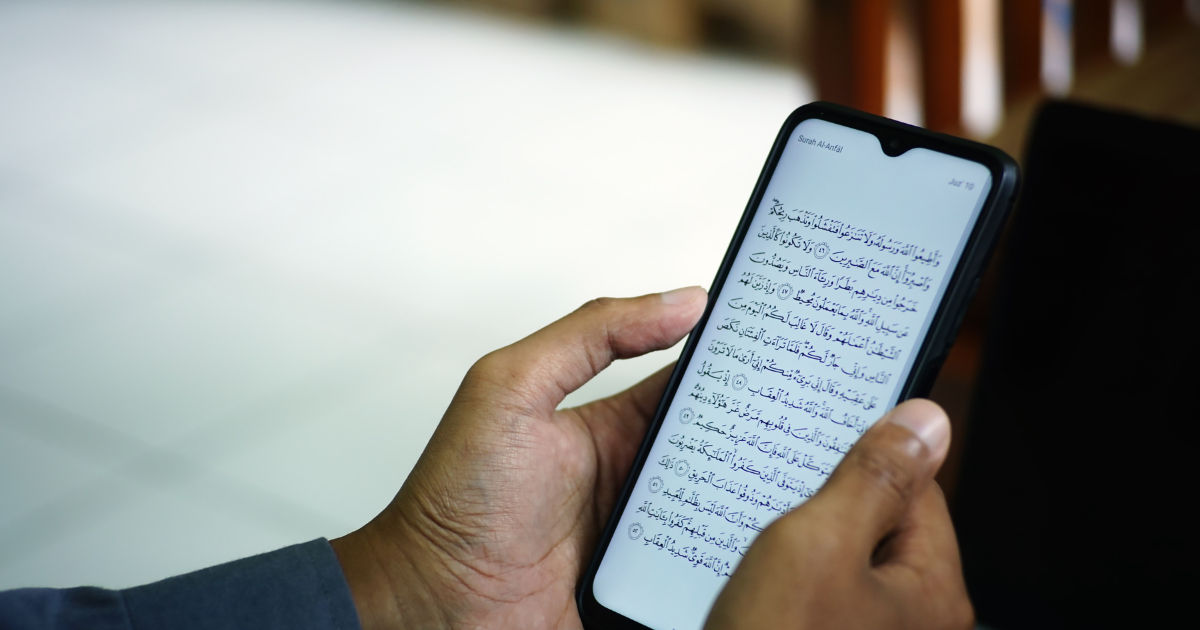
But the biggest challenge remains the same: mastering correct pronunciation. Reciting the Quran properly is more than reading Arabic letters—it is learning Tajweed, understanding the sounds, and developing fluency that reflects the beauty of the Quran.
This comprehensive guide explains everything you need to know to learn Quran online with correct pronunciation, whether you are a complete beginner, a busy adult, or a parent looking for the best learning experience for your child.
Why Pronunciation Matters When Learning the Quran
Correct pronunciation is the foundation of Quranic recitation. Arabic is a language where even a small change in sound can alter the entire meaning of a word. When reciting the Quran, accuracy is not optional—it is an essential part of worship.
Short paragraphs below explain why pronunciation plays such an important role:
Preserving the Meaning of the Verses
Many Arabic words share similar spelling, but their pronunciation determines their meaning. Tajweed rules help ensure you recite every word as it was revealed.
Respecting the Words of Allah
Proper pronunciation honors the divine message. It ensures your recitation aligns with the recitation style of the Prophet Muhammad (PBUH).
Building a Strong Spiritual Connection
When you recite correctly, you feel more confident, more connected, and more spiritually fulfilled during salah (prayer) and personal recitation.
Avoiding Pronunciation Errors
Some mistakes are harmless, but others can change meanings. Learning with a trained Quran teacher helps you avoid errors that inexperienced readers often make.
The Rise of Online Quran Learning
Over the past decade, millions of Muslims—from the US to the Middle East, from Europe to Asia—have begun choosing to learn Quran online rather than attending local centers. This shift happened because online learning solves many problems traditional methods struggle with.
Here are the main reasons online Quran learning has grown so rapidly:
Flexible Timing
Students can choose class times that match their busy schedule. No need to travel or adjust your day.
Access to Qualified Teachers
Even if you live in an area without Arabic teachers, the internet connects you with certified Quran tutors from around the world.
Personalized One-on-One Teaching
Private classes allow teachers to focus on your exact weaknesses and pronunciation.
Safe Learning Environment
Parents prefer online learning because it is safe, monitored, and convenient for children.
Affordable and Accessible
Online classes often cost less than local academies. Plus, you save time and transportation costs.
Learning the Quran is now easier, more flexible, and more comfortable than ever before.
How Online Learning Helps Improve Pronunciation
The biggest advantage of choosing to learn Quran online is the ability to focus closely on pronunciation. Skilled online teachers use several effective techniques that help students master Tajweed faster.
Live Corrective Feedback
In online classes, teachers listen to you recite and instantly correct mistakes. This real-time feedback builds proper habits from the beginning.
Tajweed-Focused Lessons
Teachers break down each Tajweed rule, explain the purpose behind it, and guide you through practical application.
Audio and Visual Tools
Screensharing, digital whiteboards, and recordings make the learning experience clearer and more interactive.
Repetition and Practice Sessions
Consistent practice removes common pronunciation challenges such as:
-
Differentiating ح and ه
-
Mastering ق and ك
-
Pronouncing ص صاد versus س seen
-
Identifying long vs short vowels
Slow-Paced Learning for Beginners
Students can learn at their own pace without feeling rushed, embarrassed, or pressured.
Understanding Tajweed: The Key to Perfect Pronunciation
Correct pronunciation begins with understanding Tajweed. Tajweed is the science that teaches how to articulate every letter and word in the Quran properly.
Below is a simplified overview of Tajweed concepts explained in short, clear sections.
Makharij (Points of Articulation)
Every Arabic letter has a specific exit point in the mouth or throat. Learning these points ensures clarity.
Examples:
-
Letters like ق and ك originate from the back of the tongue.
-
Letters like ف come from the lips.
-
Throat letters like ع and ح come from deep inside.
Sifaat (Characteristics of Letters)
Some letters are bold, some are soft, some are heavy, and some are light. Understanding these qualities makes recitation beautiful and accurate.
Madd (Elongation)
Certain letters must be stretched for two, four, or six counts. Incorrect stretching changes both rhythm and meaning.
Ghunnah (Nasal Sound)
This rule applies especially to Meem and Noon. The nasal tone is essential for correct Tajweed.
Qalqalah (Echo Sound)
Certain letters like ق ط ب ج د create a slight echo when they appear with sukoon.
Rules of Noon Sakinah and Tanween
These rules teach how to merge, hide, or clearly pronounce letters in different situations.
Rules of Meem Sakinah
Similar to Noon Sakinah, but specifically for the letter Meem.
Rules of Waqf (Stopping)
Where and how to stop while reciting the Quran to preserve meaning.
When students learn Quran online, teachers explain these concepts through demonstrations, examples, and practice. This makes Tajweed simpler and easier to apply.
Best Methods to Learn Correct Pronunciation Online
If your goal is to learn Quran online with perfect pronunciation, the method matters as much as the teacher. Here are the most effective learning approaches used by top online academies and certified scholars.
1. One-on-One Classes
Private classes give the highest level of correction and focus. Teachers can assess your pronunciation in detail and help you improve faster.
2. Repetition-Based Learning
Repetition builds fluency. Students read the same verse multiple times until every letter is perfect.
3. Listening to Expert Reciters
Teachers often guide students to listen to world-renowned Qaris such as:
-
Sheikh Mishary Rashid
-
Sheikh Sudais
-
Sheikh Al-Minshawi
-
Sheikh Abdul Basit
Listening regularly helps students mimic proper tone, pauses, and rhythm.
4. Slow Recitation First
Beginners are encouraged to recite slowly. Speed improves naturally as mastery increases.
5. Using Recordings
Recording yourself and listening to your recitation helps catch mistakes you may not notice while reading.
6. Breaking Verses Into Small Parts
Teachers divide longer verses into phrases. This makes difficult words easier to pronounce.
7. Daily Practice
Even 10 minutes of daily recitation strengthens pronunciation and memory.
8. Focus on Letter Fluency Before Whole Verses
Teachers ensure students can pronounce every letter in isolation before moving to words and verses.
9. Understanding Meaning
Some teachers introduce simple tafsir to help students connect emotionally with what they recite.
Who Can Learn Quran Online?
One of the greatest advantages of online learning is that anyone can benefit from it. Whether you are a beginner or someone returning to learning, online Quran lessons accommodate all levels.
Children
Kids learn faster online because classes are enjoyable, engaging, and interactive. Teachers use visuals, games, and stories.
Adults
Working adults find it easier to learn Quran online because of flexible scheduling and personalized lessons.
Senior Learners
Elders benefit from slow-paced, patient teaching without the pressure of group classes.
Beginners
Even if you do not know Arabic, online teachers guide you step-by-step from the alphabet to fluent recitation.
Reverts
New Muslims appreciate structured lessons that help them understand pronunciation, meaning, and Islamic basics.
Students With Busy Schedules
School and university students can take short classes without disturbing their studies.
No matter your age, experience, or background, the online system adjusts to your needs.
What To Look for in an Online Quran Teacher
The quality of your teacher directly affects your pronunciation. A qualified Quran instructor should have the following traits:
Strong Tajweed Credentials
They should be certified from recognized Islamic institutions or have an Ijazah.
Clear and Correct Recitation
Students should hear pure pronunciation to imitate correctly.
Patience and Communication
Teachers must guide gently, without rushing or overwhelming students.
Experience with Online Teaching
An online expert knows how to use digital tools to enhance learning.
Fluency in Your Language
If the student understands the teacher clearly, learning becomes smoother.
Ability to Teach Children and Adults
The best teachers know how to adjust teaching style according to age and learning level.
Online Quran Learning Tools That Improve Pronunciation
When you learn Quran online, technology becomes your partner. Below are tools commonly used to reinforce pronunciation:
Digital Mushaf (Online Quran)
Clear Arabic text with color-coded Tajweed rules.
Audio Recitation Libraries
Students can listen to slow and fast recitations.
Pronunciation Apps
Some apps allow students to record themselves and compare with expert reciters.
Virtual Whiteboards
Teachers draw letters, explain articulation points, and demonstrate rules.
Video Recordings of Classes
Students can review their sessions anytime.
Tajweed Charts
Charts show the mouth and throat positions for accurate articulation.
Common Pronunciation Mistakes and How Online Learning Fixes Them
Even native Arabic speakers make mistakes when reciting the Quran. Here are common pronunciation errors and how online classes help correct them.
Mistake 1: Mixing Up Heavy and Light Letters
For example, confusing the heavy ص with the light س. Teachers use practice drills to help you differentiate.
Mistake 2: Incorrect Ghunnah
Beginners often shorten or lengthen nasal sounds incorrectly. Online teachers demonstrate the correct duration.
Mistake 3: Wrong Madd Length
Students may stretch sounds too long or too short. Teachers train students using counting exercises.
Mistake 4: Mispronouncing Throat Letters
Letters like ع, غ, and ح are difficult. Teachers help students master throat control through repetition.
Mistake 5: Ignoring Pauses and Stops
Improper stopping changes meanings. Online guidance ensures proper Waqf.
Mistake 6: Skipping Letters Out of Nervousness
Teachers encourage slow, relaxed recitation to build confidence.
Mistake 7: Misreading Similar Words
Students learn pattern recognition through guided reading sessions.
Every mistake is fixable with expert instruction and consistent practice.
Tips to Master Quran Pronunciation at Home
Online classes provide structure, but your personal practice completes the learning process. Here are simple but powerful home tips:
Practice 10–15 Minutes Daily
Consistency is more important than long sessions.
Listen to One Reciter Regularly
Choose a Qari and follow their style until you build your own rhythm.
Repeat Difficult Verses
Recite each verse three to five times until it becomes smooth.
Use a Mirror for Makharij
Watching your mouth helps you learn correct articulation.
Record Your Recitation
Listen and take notes on your mistakes.
Revise Tajweed Rules Weekly
A small, steady revision builds strong foundations.
Make Dua for Ease
Allah opens the path for those who seek knowledge sincerely.
Benefits of Learning Quran Online With Correct Pronunciation
Mastering pronunciation through online learning offers spiritual, educational, and personal benefits.
Stronger Spiritual Connection
Fluent recitation creates a deeper emotional bond with the Quran.
Better Focus in Salah
Correct pronunciation improves concentration during prayer.
Confidence in Recitation
You can recite in public or at home without hesitation.
Improved Memory
Pronouncing verses correctly helps with memorization.
Lifelong Skill
Once you learn proper Tajweed, it stays with you forever.
Accessible Learning
Even remote learners can access world-class teaching.
How Many Classes Do You Need to Learn Correct Pronunciation?
The time needed depends on:
-
Your current level
-
Your consistency
-
Your teacher’s method
-
Your practice frequency
However, most students see major improvement within:
-
4–6 weeks (beginners noticing better clarity)
-
3–5 months (solid Tajweed foundation)
-
6–12 months (fluent recitation for daily use)
The more you practice, the faster you progress.
A Step-by-Step Roadmap for Beginners
Here is a simple plan if you are just starting to learn Quran online:
Step 1: Learn Arabic Alphabet
Understand letter shapes, sounds, and forms.
Step 2: Learn Makharij
Practice articulation points with a teacher.
Step 3: Learn Basic Tajweed Rules
Start with simple rules like Qalqalah and Madd.
Step 4: Begin Short Surahs
Apply Tajweed rules to small verses.
Step 5: Read Juz Amma
This strengthens fluency and confidence.
Step 6: Move to Longer Surahs
Gradually increase difficulty level.
Step 7: Regular Revision
Keep reviewing rules to maintain accuracy.
Conclusion
Learning the Quran is not a race—it is a lifelong act of worship. Whether you are a child, an adult, a beginner, or a returning learner, choosing to learn Quran online opens the door to high-quality education, expert teachers, and personalized pronunciation training. It removes barriers of distance, time, cost, and access, allowing every Muslim to connect with the Quran in the most authentic way.
Correct pronunciation is not only a skill—it is a responsibility. The Quran was revealed with clarity, beauty, and precision. As Muslims, we honor it by striving to recite it exactly as it was revealed. Online learning makes this achievable, even for the busiest people.
By learning Tajweed, practicing regularly, and receiving guidance from skilled teachers, you can recite the Quran with confidence, beauty, and accuracy. Your journey begins with a single intention and grows with every verse you recite.
May Allah make your efforts easy, reward your dedication, and bless your recitation with clarity and beauty.