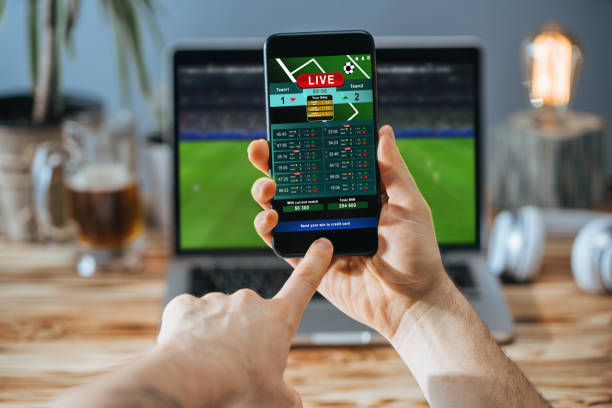
Luck Or Foolishness? The Fine Line Between Entertainment And Addiction In Play
Gambling has long been a seed of excitement, suspense, and, for some, even life-changing fortune. From glitzy casinos to mobile dissipated apps, millions around the earth engage in play for leisure time and the tickle of chance. However, hidden beneath this slick magazine exterior lies a serious and ontogeny issue: the fine line between entertainment and habituation. While many gamblers enjoy the occasional bet on responsibly, for others, play becomes a chancy obsession with destructive emotional, financial, and psychological consequences.
The Allure of Gambling: A Global Phenomenon
At its core, play offers a unique form of entertainment. It combines the tickle of precariousness with the potential for reward, creating a compelling undergo that appeals to a wide hearing. Whether it s a salamander hand, a spin of the roulette wheel around, or an online sports bet, the idea that anyone can win big at any minute is what keeps players coming back.
Modern play is more available than ever. With the rise of digital platforms and mobile apps, populate can point bets from anywhere, at any time. This ease of access has fueled the industry s growth, with international play tax revenue transcendent 500 1000000000 yearly. However, this convenience also raises serious concerns about how easily unplanned fun can spiral into compulsive behaviour.
The Psychology Behind the Play
Gambling taps into the mind s pay back system, specifically the free of dopamine a neurotransmitter joined to pleasance, motivation, and reenforcement. Every near-miss or small win delivers a chemical boost, supportive players to keep going. This creates a cycle where the thrill of gaming becomes hard to fend, even when the losses start to pile up.
Furthermore, gaming often exploits cognitive distortions, such as the gambler s fallacy(believing a win is due after a serial publication of losses), the illusion of verify, and selective memory(remembering wins more vividly than losings). These unhealthy traps can cloud sagaciousness and fuel dangerous decisions.
When the Fun Stops: Recognizing Problem Gambling
Gambling becomes problematical when it shifts from a form of entertainment to a obsession. Problem gamblers may uphold dissipated despite negative consequences, including climbing debts, kinship issues, declining unhealthy health, and even job loss. Warning signs let in:
- Chasing losses(betting more to retrieve previous losses)
Lying about gaming habits
Neglecting responsibilities or wanted ones
Feeling anxious, thin, or irritable when not gambling
This demeanour can escalate into evostoto login addiction, a recognized mental health distract with symptoms similar to substance pervert. It can affect anyone, regardless of age, income, or background.
The Role of the Industry: Entertainment or Exploitation?
The play manufacture walks a touchy line between offering entertainment and encouraging immoderate play. While casinos and betting platforms elevat responsible for gambling through self-exclusion tools, age verification, and betting limits, critics argue that many operators still rely heavily on high-volume players, including trouble gamblers, for a considerable assign of their tax income.
Aggressive advertising, seductive incentive offers, and targeted selling can also lure vulnerable individuals deeper into hazardous demeanour. In some regions, regulations are tightening to turn to these concerns, including bans on celebrity endorsements, mandatory fix limits, and restrictions on publicizing during certain hours.
Finding the Balance: Responsible Gambling
Striking a healthy poise between gambling as amusement and avoiding dependency requires awareness and self-control. Responsible play practices admit:
- Setting time and money limits before you play
Never play to escape emotional stress
Viewing gaming as entertainment, not income
Taking habitue breaks and avoiding chasing losses
Families, communities, and governments also play a key role in creating adjuvant environments, promoting breeding, and providing resources for those artificial.
Conclusion: A Double-Edged Game
Gambling offers the exhilaration of and the potency for repay, qualification it a compelling form of amusement for millions. But when the pursuit of luck crosses into dependency, the consequences can be wicked. By sympathy the scientific discipline mechanisms at play and promoting responsible for habits, players can enjoy the thrill without descending into the trap. After all, in the world of gambling, the remainder between fortune and foolishness often comes down to informed when to walk away