
Milk Protein Analysis for Casein and Whey Quantification
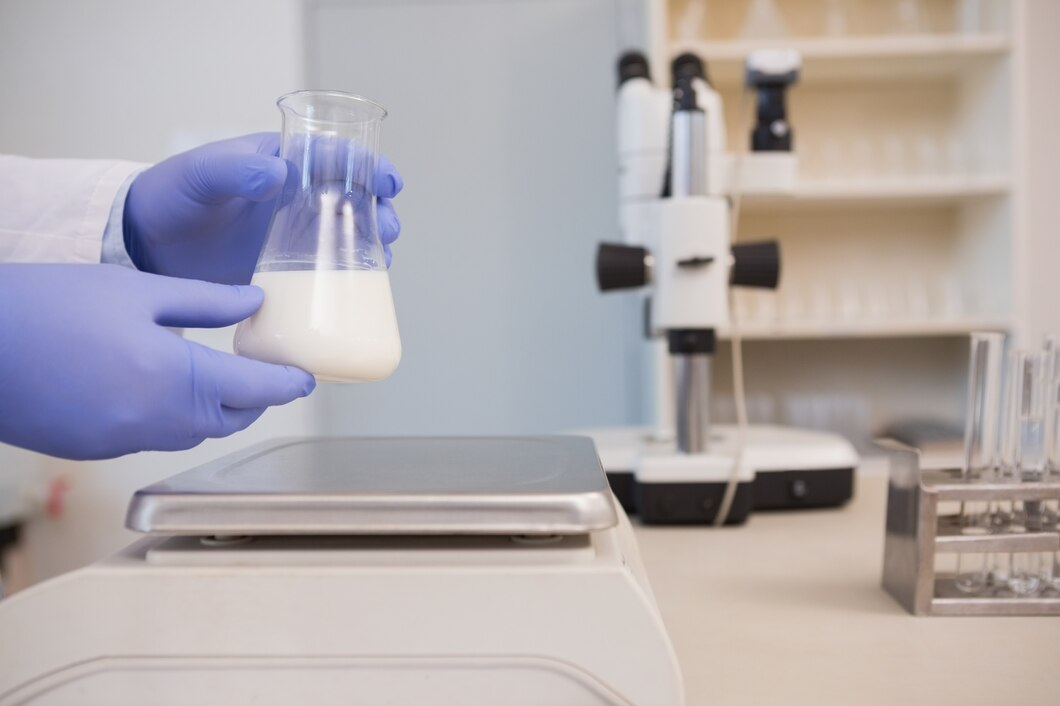
Milk protein analysis plays a critical role in modern dairy science, food manufacturing, nutrition research, and quality assurance. Accurate quantification of casein and whey proteins is essential for ensuring product consistency, regulatory compliance, and nutritional integrity. From cheese yield optimization to infant formula validation, precise protein characterization directly impacts product performance and consumer trust.
As dairy processing becomes more sophisticated and global quality standards grow stricter, laboratories and manufacturers rely on advanced analytical techniques to distinguish, measure, and validate milk protein fractions. Understanding how casein and whey behave, degrade, or vary across processing conditions allows organizations to make informed decisions backed by reliable data.
Understanding Milk Protein Composition
Milk proteins are broadly categorized into two main groups: caseins and whey proteins. Together, they account for approximately 95% of total milk protein content. Each group possesses unique biochemical properties that influence functionality, digestibility, and processing behavior.
Caseins typically represent about 80% of total milk protein. They exist as micellar structures, which are responsible for milk’s white appearance and play a central role in cheese and yogurt production. Whey proteins, making up the remaining 20%, remain soluble after milk coagulation and include biologically active components such as beta-lactoglobulin and alpha-lactalbumin.
Quantifying these fractions independently is crucial because their ratio affects texture, stability, nutritional value, and processing efficiency in dairy products.
Why Casein and Whey Quantification Matters
Accurate casein and whey measurement is not simply a scientific exercise—it directly affects commercial outcomes. In cheese manufacturing, casein concentration determines yield and structural integrity. In beverage and sports nutrition products, whey protein levels influence solubility, taste, and protein claims on labels.
Inconsistent protein ratios can lead to batch failures, regulatory challenges, and customer dissatisfaction. For dairy exporters, protein analysis also supports compliance with international food standards and trade specifications. Reliable data ensures that finished products meet declared nutritional values and functional expectations.
Analytical Challenges in Milk Protein Testing
Milk is a complex biological matrix, and protein analysis presents several technical challenges. Fat content, lactose, minerals, and heat-induced protein interactions can interfere with accurate measurement. Processing steps such as pasteurization, ultra-high-temperature treatment, and fermentation further alter protein structures.
Another challenge lies in differentiating intact proteins from degraded or modified forms. Denaturation, aggregation, and enzymatic breakdown can obscure true protein concentrations if improper methods are used. Therefore, selecting appropriate analytical techniques and sample preparation protocols is essential for obtaining meaningful results.
Common Methods for Casein and Whey Quantification
Several analytical approaches are used to measure milk protein fractions, each with specific strengths and limitations.
Electrophoretic Techniques
Gel-based electrophoresis methods, such as SDS-PAGE, allow visual separation of casein and whey proteins based on molecular weight. These techniques are valuable for qualitative assessment and relative quantification, especially when comparing samples across processing conditions.
Two-dimensional gel electrophoresis further enhances resolution by separating proteins based on both isoelectric point and size. This method is particularly useful for identifying post-translational modifications and protein variants.
Chromatographic Approaches
High-performance liquid chromatography (HPLC) is widely used for quantitative analysis of milk proteins. Reverse-phase and ion-exchange methods provide high specificity and reproducibility, making them suitable for routine quality control and regulatory documentation.
Chromatography is especially effective for measuring individual whey proteins and detecting minor variations that may not be visible in gel-based assays.
Immunoassays
Antibody-based assays, such as ELISA, offer high sensitivity and specificity for targeted protein detection. These methods are commonly used when precise quantification of specific proteins, such as beta-casein variants or allergenic whey proteins, is required.
However, immunoassays depend heavily on antibody quality and may not detect structurally altered proteins.
Sample Preparation and Method Selection
Accurate milk protein analysis begins with proper sample preparation. Skimming or defatting milk samples minimizes interference from lipids. Controlled precipitation techniques are often used to separate casein from whey prior to analysis.
Method selection should align with the intended application. Research studies may require high-resolution profiling, while manufacturing environments often prioritize speed, reproducibility, and cost-effectiveness. A well-designed testing strategy balances analytical rigor with practical constraints.
Quality Control and Regulatory Considerations
Milk protein quantification supports compliance with food labeling regulations, nutritional claims, and safety standards. Regulatory agencies require validated methods and traceable results, particularly for products marketed to vulnerable populations such as infants or medical patients.
Routine quality control testing helps detect deviations early, reducing the risk of costly recalls or market rejection. Reliable laboratory data also strengthens supplier verification and contract compliance across the dairy supply chain.
Role of Specialized Protein Analysis Laboratories
Not all laboratories are equipped to perform advanced milk protein fractionation and quantification. Specialized protein analysis facilities offer expertise, validated protocols, and advanced instrumentation tailored to complex biological samples.
Organizations seeking accurate and defensible results often collaborate with experienced laboratories that focus exclusively on protein characterization. One such specialized provider is Kendrick Labs Inc, known for its expertise in electrophoretic protein analysis and detailed reporting for research and industry applications.
Partnering with a dedicated protein analysis laboratory ensures data accuracy, methodological transparency, and confidence in decision-making.
Applications Across the Dairy Industry
Milk protein analysis supports a wide range of applications beyond traditional dairy processing. In nutrition science, precise protein quantification informs formulation of high-protein foods and supplements. In animal science, protein profiling aids in breeding and feed optimization strategies.
Food innovation teams use protein data to develop new textures, flavors, and functional properties. Meanwhile, regulatory and legal teams rely on analytical results to substantiate labeling claims and resolve disputes.
Improving Product Consistency Through Data
Consistent protein ratios are essential for maintaining product quality across batches. Analytical data enables manufacturers to fine-tune processing parameters, adjust raw material sourcing, and monitor seasonal variations in milk composition.
By integrating routine protein testing into quality management systems, organizations can move from reactive problem-solving to proactive quality assurance. Data-driven decisions reduce waste, improve efficiency, and enhance brand credibility.
Future Trends in Milk Protein Analysis
Advancements in analytical technology continue to improve sensitivity, throughput, and automation. Mass spectrometry-based approaches are increasingly used for detailed protein identification and quantification, especially in research and regulatory investigations.
Digital data integration and laboratory information management systems (LIMS) further streamline reporting and traceability. As consumer demand for transparency grows, robust protein analysis will remain a cornerstone of dairy innovation and trust.
Choosing the Right Testing Partner
Selecting a qualified laboratory partner is as important as choosing the analytical method itself. Experience with dairy matrices, validated protocols, and clear communication are key factors in ensuring reliable outcomes.
Organizations looking to discuss testing needs, project timelines, or analytical approaches can explore professional consultation options. For inquiries and next steps, interested parties are encouraged to contact us click for more to discuss milk protein analysis requirements in detail.
Conclusion
Milk protein analysis for casein and whey quantification is a foundational element of modern dairy science and quality assurance. Accurate measurement supports product consistency, regulatory compliance, and innovation across the food and nutrition sectors.
By understanding analytical challenges, selecting appropriate methods, and partnering with experienced laboratories, organizations can confidently manage protein quality and performance. As dairy products continue to evolve, reliable protein data will remain essential to delivering safe, nutritious, and high-quality products to global markets.