
Standards followed by composite panels
Aluminum Composite Panels have become one of the most popular choices in modern construction and architectural design. These panels offer strength, durability, and aesthetic appeal, making them ideal for both interior and exterior applications.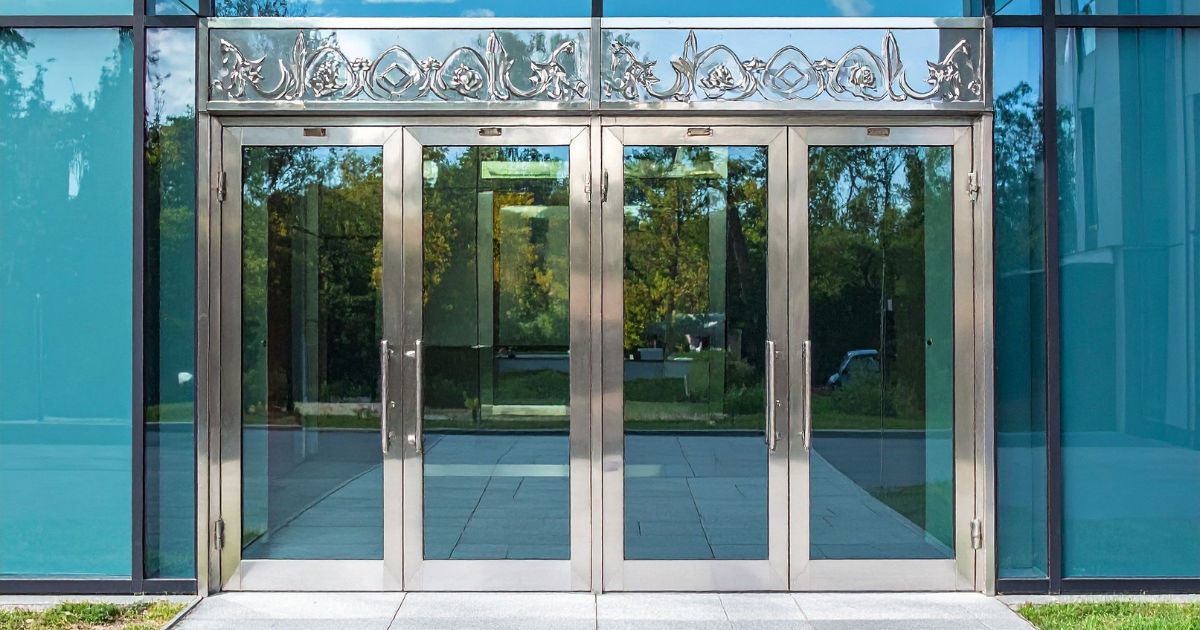
However, their performance, safety, and quality are governed by strict standards and regulations. Understanding these standards is essential for architects, engineers, builders, and anyone involved in construction.
In this guide, we will explore the various standards followed by Aluminum Composite Panels, why they matter, and how they ensure the panels’ performance. This article is designed for easy understanding while providing in-depth knowledge for readers at a 12th-grade level.
What Are Aluminum Composite Panels?
Aluminum Composite Panels, often abbreviated as ACPs, are flat panels made of two thin aluminum sheets bonded to a non-aluminum core. This unique structure gives them high rigidity, lightweight properties, and excellent weather resistance. ACPs are widely used for building facades, signage, cladding, and interior decoration.
The core material can vary depending on the application. For example, fire-retardant cores are used in high-rise buildings, while standard polyethylene cores are sufficient for smaller projects. The combination of aluminum and core material makes ACPs versatile, but it also requires careful adherence to industry standards to ensure safety and longevity.
Importance of Standards for Aluminum Composite Panels
Standards exist for Aluminum Composite Panels to ensure:
-
Safety: Prevent fire hazards and structural failures.
-
Quality: Ensure panels are consistent in thickness, finish, and durability.
-
Performance: Ensure panels withstand weather, UV radiation, and mechanical stress.
-
Compliance: Meet local building regulations and international codes.
-
Sustainability: Encourage environmentally friendly materials and recycling practices.
Without following these standards, buildings risk structural issues, accidents, and non-compliance with legal regulations.
International Standards for Aluminum Composite Panels
Several international organizations set standards for Aluminum Composite Panels to ensure safety, performance, and quality. Some of the key standards include:
ISO Standards
The International Organization for Standardization (ISO) sets guidelines for testing, quality, and environmental impact:
-
ISO 9001: Focuses on quality management systems, ensuring consistent manufacturing of ACPs.
-
ISO 14001: Covers environmental management standards, ensuring eco-friendly production.
-
ISO 11925-2: Relates to fire testing, particularly ignitability of building materials.
ISO standards ensure that manufacturers globally follow uniform practices, making it easier to compare products.
ASTM Standards
The American Society for Testing and Materials (ASTM) provides detailed testing methods for Aluminum Composite Panels:
-
ASTM E84: Standard test for surface burning characteristics.
-
ASTM E136: Tests materials for non-combustibility.
-
ASTM D522: Flexibility testing of coated panels.
ASTM standards are widely recognized, particularly in the United States, and are often required for building permits.
EN Standards
The European Norms (EN) standards are crucial for ACPs used in Europe:
-
EN 13501-1: Fire classification of building materials.
-
EN 438-2: Testing specifications for laminate panels.
-
EN 14782: Guidelines for structural aluminum applications.
These standards ensure safety and consistency in the European market, particularly for fire safety and mechanical performance.
Fire Safety Standards for Aluminum Composite Panels
Fire safety is a critical concern for Aluminum Composite Panels. Many high-rise building fires have been linked to ACPs with non-compliant cores. Therefore, specific standards focus on fire resistance:
Classifications of ACP Cores
-
PE Core (Polyethylene): Standard core with higher flammability. Typically limited to low-rise buildings.
-
FR Core (Fire-Retardant): Contains mineral fillers to reduce combustibility. Suitable for high-rise structures.
Fire Testing Standards
-
NFPA 285: Fire propagation test for exterior walls using combustible materials.
-
BS 476: British standard for fire tests on building materials.
-
EN 13501-1: Provides fire classification (A1, A2, B, etc.) for panels based on combustibility.
Ensuring ACPs meet fire safety standards is crucial for legal compliance and human safety.
Mechanical and Performance Standards
Aluminum Composite Panels must also meet mechanical performance standards to withstand wind, impact, and environmental conditions:
Structural Standards
-
ASTM E330: Wind load testing for cladding materials.
-
ASTM D4214: Resistance to coating cracking and peeling.
-
EN 12365: Water tightness and weather resistance.
Dimensional and Quality Standards
-
ISO 2768: Tolerances for dimensions and thickness of panels.
-
EN 485-2: Mechanical properties of aluminum sheets used in ACPs.
-
ASTM B209: Specifications for aluminum sheet thickness, alloy, and finish.
Compliance ensures ACPs remain durable, stable, and safe for long-term use.
Environmental and Sustainability Standards
With rising environmental awareness, standards now include sustainability aspects:
-
ISO 14001: Encourages reduction in carbon footprint during manufacturing.
-
LEED Certification: Green building rating system that rewards the use of eco-friendly ACPs.
-
RoHS Compliance: Limits hazardous substances in panel coatings.
These standards help manufacturers produce panels that are safe for both humans and the environment.
Local Standards and Building Codes
Many countries have local standards for Aluminum Composite Panels in addition to international guidelines. Examples include:
-
India: NBC (National Building Code) specifies fire-resistant cladding materials.
-
Australia: AS 1530.1-2007 for flammability of building panels.
-
UAE: Dubai Civil Defense mandates fire-retardant ACPs for high-rise buildings.
Local standards often adapt international standards to regional climates and building practices.
Testing Methods for Aluminum Composite Panels
To ensure compliance with standards, ACPs undergo several laboratory tests:
Fire Testing
-
Vertical and horizontal flame spread tests.
-
Smoke density and toxicity tests.
Mechanical Testing
-
Tensile and flexural strength tests.
-
Impact resistance and bending tests.
Durability Testing
-
UV exposure to simulate sunlight degradation.
-
Corrosion tests for aluminum layers.
-
Water resistance and humidity tests.
These tests guarantee the panels’ safety, durability, and reliability in real-world conditions.
Certification and Quality Marks
Manufacturers often display certifications to prove compliance:
-
CE Marking: European compliance for ACPs.
-
UL Certification: Safety and fire compliance recognized internationally.
-
ISO 9001 Certification: Indicates a certified quality management system.
Certifications give architects and builders confidence in the quality and reliability of Aluminum Composite Panels.
Installation Standards
Even high-quality ACPs can fail if installed incorrectly. Standards provide guidelines for installation:
-
Gap allowance and expansion joints: Prevent warping due to thermal expansion.
-
Fixing and fastening methods: Ensure panels withstand wind loads.
-
Sealing and waterproofing: Prevent water ingress and corrosion.
Adhering to installation standards extends the life of the panels and maintains building safety.
Common Misconceptions About Standards
-
All ACPs are fireproof: Only FR cores meet fire safety standards; PE cores are combustible.
-
ISO certification guarantees local code compliance: Some regions require additional local approvals.
-
Testing once is enough: Continuous quality control is necessary for consistent safety and performance.
Understanding the limitations of standards prevents accidents and compliance issues.
Choosing the Right Aluminum Composite Panels
When selecting ACPs, consider the following:
-
Fire Rating: Ensure panels meet local fire codes.
-
Panel Thickness: Thicker panels often provide better rigidity.
-
Finish and Coating: Check durability against UV exposure and weathering.
-
Manufacturer Reputation: Certified manufacturers are more reliable.
-
Compliance with Standards: Verify ASTM, ISO, EN, and local certifications.
Choosing panels with proper standards ensures safety, durability, and aesthetic appeal.
Future of Standards in Composite Panels
Standards continue to evolve with technology and safety research:
-
Improved Fire-Resistant Cores: Reducing combustible content while maintaining flexibility.
-
Eco-Friendly Materials: Biodegradable cores and low-emission coatings.
-
Smart Panels: Incorporating sensors to monitor structural health.
-
Global Harmonization: Efforts to unify international standards for easier compliance.
These developments will make Aluminum Composite Panels safer, greener, and more advanced.
Conclusion
Aluminum Composite Panels are versatile, durable, and aesthetically appealing materials that have transformed modern architecture. However, their performance and safety heavily depend on adherence to standards. From fire safety and mechanical strength to environmental sustainability and installation practices, these standards ensure that ACPs are reliable for all types of construction projects.
For architects, engineers, and builders, understanding these standards is crucial. Selecting certified panels and following proper installation guidelines protects buildings, occupants, and investment. As technology evolves, compliance with updated standards will remain essential for safe, sustainable, and innovative construction.
By adhering to international standards like ISO, ASTM, and EN, alongside local building codes, the construction industry ensures the continued trust and safety associated with Aluminum Composite Panels.